News

How Do Wood Slat Grille Acoustic Panels Transform Modern Interior Spaces?

2026-09-07 0 Leave me a message

Wood Slat Grille Acoustic Panels combine architectural aesthetics with practical sound control, making them an increasingly useful solution for offices, hotels, restaurants, studios, conference rooms, educational facilities, and residential interiors. Their slatted wood appearance creates a warm and sophisticated visual effect, while the acoustic structure helps reduce unwanted reflections, reverberation, and background noise. This guide explains how Wood Slat Grille Acoustic Panels work, where they are most effective, what factors influence their acoustic performance, how to install them correctly, and how buyers can evaluate quality, durability, customization, and long-term value.

Wood Slat Grille Acoustic Panels


What Are Wood Slat Grille Acoustic Panels?

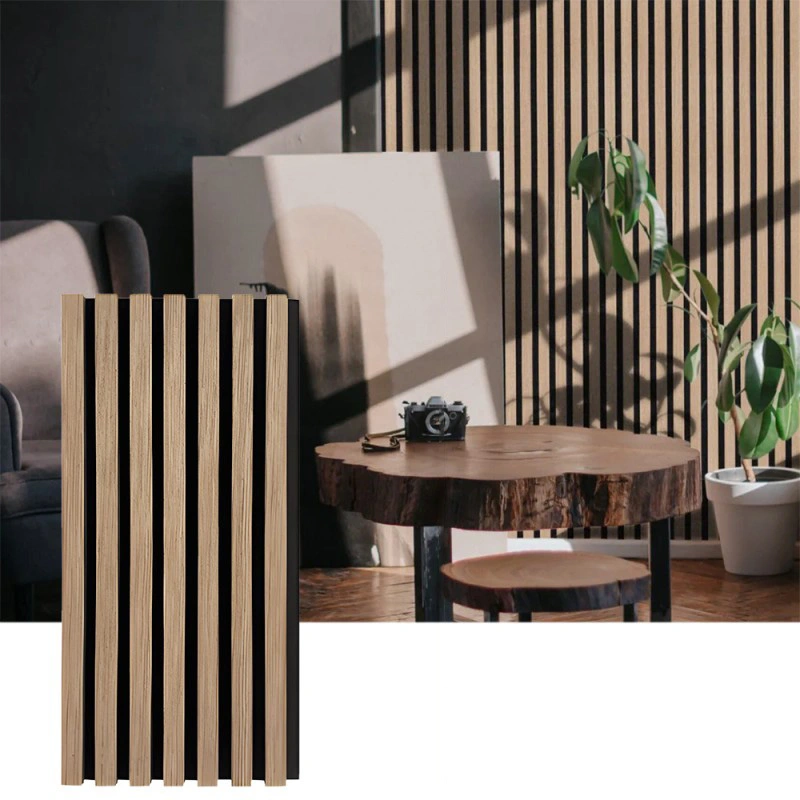
Wood Slat Grille Acoustic Panels are decorative acoustic wall or ceiling systems designed to combine the natural appearance of wood with effective sound absorption. Their characteristic structure consists of evenly spaced wood slats mounted over an acoustic backing material. The combination creates a visually attractive linear pattern while allowing sound energy to interact with the absorbent layer behind the slats.

Unlike a purely decorative wall covering, an acoustic panel has a functional role. Hard surfaces such as concrete, glass, tile, and untreated plaster can reflect sound throughout an interior. When several reflective surfaces are present, conversations may become difficult to understand, music can sound uncontrolled, and general background noise can become tiring.

The slatted construction provides a practical way to introduce acoustic treatment without sacrificing architectural appearance. Depending on the design, panels can be installed across complete walls, used as feature walls, incorporated into ceilings, or combined with other interior materials.

For architects, interior designers, contractors, and property developers, this makes Wood Slat Grille Acoustic Panels particularly attractive when both acoustic comfort and visual identity are important.


How Do Wood Slat Grille Acoustic Panels Improve Sound?

The fundamental purpose of an acoustic panel is to control unwanted sound reflections. When sound waves hit a conventional hard wall, much of the energy is reflected back into the room. The repeated reflections can create excessive reverberation.

Wood Slat Grille Acoustic Panels use a combination of surface geometry and sound-absorbing backing to reduce this problem. The wooden slats form the visible surface, while the gaps between them allow sound to reach the acoustic material behind the grille.

The acoustic backing absorbs a portion of the sound energy instead of allowing it to continue bouncing around the room. As a result, occupants can experience:

  • Reduced unwanted reverberation
  • Improved speech intelligibility
  • Better control of sound reflections
  • A more comfortable acoustic environment
  • Less perceived noise in busy interior spaces

Actual performance depends on several factors, including panel construction, backing material, thickness, installation method, wall coverage, room dimensions, and the frequencies being controlled. Therefore, buyers should avoid judging acoustic quality solely from the appearance of the wooden slats.


Why Are These Panels Important for Modern Interiors?

Modern buildings increasingly use open layouts, large glass surfaces, polished floors, and minimalist furniture. While these design elements create a clean and contemporary appearance, they can also increase sound reflection.

This creates a common customer problem: a space can look beautiful but sound uncomfortable.

Wood Slat Grille Acoustic Panels address this gap by integrating acoustic treatment directly into the interior design.

Customer Challenge Potential Panel Benefit
Excessive sound reflection Helps absorb unwanted reflected sound
Poor speech clarity Supports a more controlled acoustic environment
Cold-looking acoustic treatments Adds a warm architectural wood appearance
Limited interior customization Multiple colors, finishes, sizes, and configurations
Visible technical equipment Integrates acoustic treatment into the decorative design

The result is not simply a quieter room. In many applications, the objective is to create a room where sound is easier to understand and less exhausting for occupants.


Where Can Wood Slat Grille Acoustic Panels Be Used?

The versatility of slatted acoustic systems allows them to fit into a wide range of environments.

  • Corporate offices: Improve acoustic comfort in meeting rooms, reception areas, executive offices, and open workspaces.
  • Conference rooms: Help control reverberation so meetings and presentations are easier to follow.
  • Hotels: Add a refined architectural element to lobbies, corridors, restaurants, lounges, and guest facilities.
  • Restaurants: Reduce excessive reflections created by hard floors, tables, walls, and ceilings.
  • Home interiors: Create feature walls in living rooms, home theaters, dining areas, and entertainment spaces.
  • Recording and media spaces: Support sound control when properly designed as part of a broader acoustic treatment system.
  • Schools and educational facilities: Help create environments where speech clarity is important.
  • Retail spaces: Combine brand-oriented interior design with improved acoustic comfort.

For larger commercial projects, the panels can also be integrated with lighting, ceiling systems, furniture, and other architectural finishes. This flexibility makes them suitable for both functional acoustic upgrades and complete interior renovation projects.


Key Factors That Affect Acoustic Performance

Not every Wood Slat Grille Acoustic Panel provides the same acoustic result. Several technical details should be evaluated before placing a large project order.

  1. Acoustic backing: The backing layer plays an important role in sound absorption. Its density, thickness, and acoustic characteristics can influence overall performance.
  2. Panel thickness: Different thicknesses can provide different levels of sound absorption and may be selected according to project requirements.
  3. Slat spacing: The proportion of wood surface to open area affects how much sound can reach the absorbent layer.
  4. Wall coverage: Installing a small decorative section and treating a substantial portion of the room will produce different acoustic results.
  5. Air cavity: In some installations, leaving an appropriate space behind the panel can improve low-frequency absorption.
  6. Room characteristics: Room volume, ceiling height, furniture, flooring, glazing, and other surfaces all influence acoustic behavior.

For demanding commercial applications, buyers should request documented acoustic test information from the supplier rather than relying only on general marketing descriptions.


Materials, Finishes, and Customization

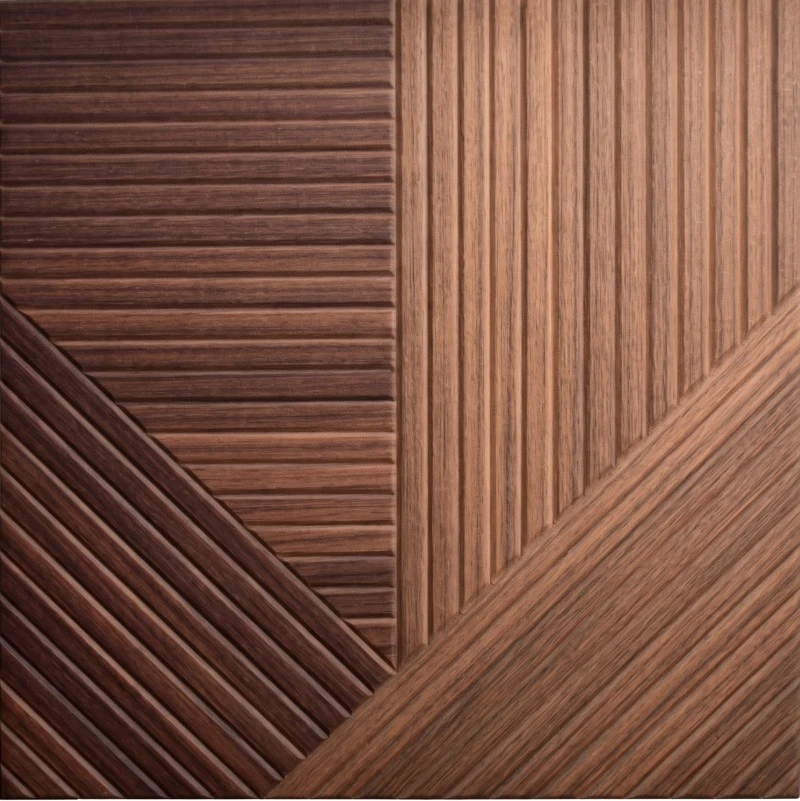
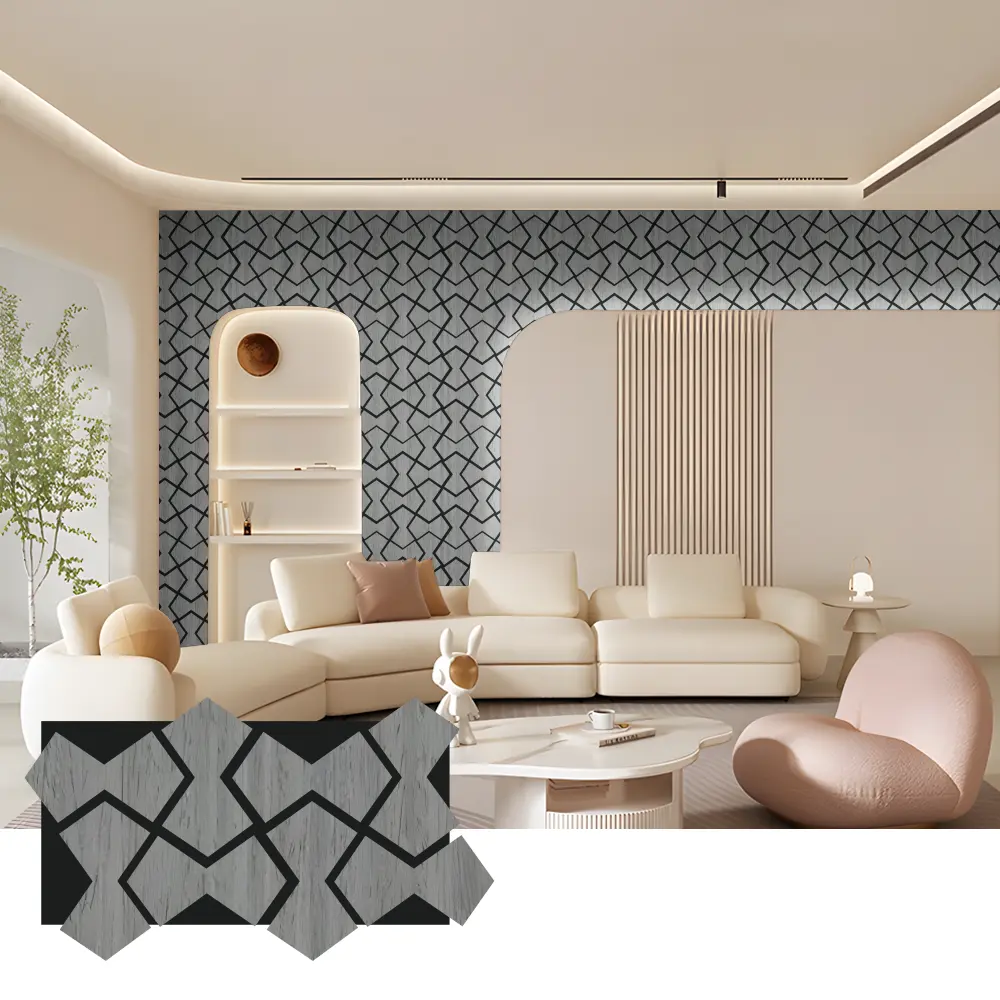
A major advantage of Wood Slat Grille Acoustic Panels is their design flexibility. The visible wood surface can be adapted to different interior concepts, from warm residential styles to minimalist corporate architecture.

Common customization considerations include:

  • Wood color and surface finish
  • Slat width and spacing
  • Panel dimensions
  • Backing material and thickness
  • Edge treatment
  • Natural wood or engineered decorative finishes
  • Wall and ceiling configurations
  • Custom production for specific project dimensions

Color consistency is particularly important for large projects. A small sample may look attractive, but the final installation can cover hundreds of square meters. Customers should therefore confirm production standards, surface finishing procedures, packaging, and quality inspection processes before mass production.

Linyi Shipo Decoration Materials Co., Ltd. can be considered when buyers are looking for decorative acoustic material solutions that combine visual appeal with practical interior requirements. For project-based purchasing, discussing dimensions, finishes, application conditions, and installation requirements in advance can help avoid costly changes later.


Installation Considerations

Even a high-quality acoustic panel can perform poorly if it is installed incorrectly. Installation should therefore be treated as part of the overall acoustic design rather than as a final cosmetic step.

Before installation, project teams should confirm wall conditions, panel layout, fixing methods, electrical requirements, ventilation interfaces, and the location of doors or other architectural elements.

A practical installation workflow may include:

  1. Measure the installation area accurately.
  2. Check that the substrate is clean, dry, and structurally suitable.
  3. Plan panel alignment and slat direction.
  4. Mark fixing points before mounting.
  5. Install the appropriate support or mounting system.
  6. Position panels carefully to maintain consistent spacing.
  7. Check joints, edges, corners, and transitions.
  8. Inspect the finished surface before final project acceptance.

For ceilings or large wall installations, professional installation is strongly recommended. Incorrect alignment can be visually obvious, while insufficient fixing may create long-term safety or durability issues.


Wood Slat Grille Acoustic Panels vs. Conventional Wall Treatments

Feature Wood Slat Grille Acoustic Panels Basic Decorative Wall Covering
Visual appeal Architectural wood-slat appearance Primarily decorative
Acoustic function Designed to support sound absorption Usually limited
Customization Multiple dimensions and finishes Depends on product type
Design integration Suitable for feature walls and ceilings Mainly surface decoration
Project versatility Commercial and residential applications Application varies

The right solution depends on the project. However, when a customer needs both acoustic functionality and a premium architectural appearance, a slatted acoustic system can provide a more integrated approach.


Maintenance and Long-Term Performance

Maintenance requirements are generally straightforward, but regular care helps preserve both the acoustic and decorative characteristics of the panels.

  • Remove dust regularly with a soft cloth or suitable vacuum attachment.
  • Avoid excessive moisture unless the product is specifically designed for humid environments.
  • Do not use aggressive cleaning chemicals without confirming material compatibility.
  • Inspect panel joints and fixing points periodically in high-traffic areas.
  • Protect exposed edges during renovation or furniture movement.
  • Follow the manufacturer's maintenance recommendations for the specific finish.

For commercial buildings, establishing a simple maintenance schedule can help preserve the appearance of the installation for years while reducing the need for premature replacement.


How to Evaluate a Reliable Acoustic Panel Supplier?

Choosing an acoustic panel supplier should involve more than comparing unit prices. A reliable supplier needs to understand the relationship between material construction, acoustic performance, appearance, production consistency, packaging, and project requirements.

Before purchasing, consider asking the following questions:

  • What materials are used for the slats and acoustic backing?
  • Are acoustic performance test reports available?
  • What panel dimensions and finishes can be customized?
  • Can the supplier provide samples before mass production?
  • How is color and surface consistency controlled?
  • What installation systems are recommended?
  • How are panels packaged for long-distance transportation?
  • Can the supplier support large commercial projects?
  • What quality inspection procedures are used before shipment?

For architects and contractors, communication is particularly important. A supplier that can understand drawings, dimensions, finish requirements, installation conditions, and project schedules is often more valuable than a supplier that simply offers the lowest quotation.


Frequently Asked Questions

1. Are Wood Slat Grille Acoustic Panels decorative or functional?

They are designed to serve both purposes. The wood slats provide a decorative architectural finish, while the acoustic backing helps absorb unwanted sound and reduce excessive reverberation.

2. Can Wood Slat Grille Acoustic Panels be installed on ceilings?

Yes. Many slatted acoustic systems can be used on ceilings when the appropriate mounting method and structural support are provided. Ceiling installation should be planned carefully to ensure secure fixing.

3. Do these panels completely soundproof a room?

No. Sound absorption and soundproofing are different functions. Wood Slat Grille Acoustic Panels primarily help control sound reflections and reverberation inside a room. Complete sound isolation requires a broader building acoustic strategy involving walls, floors, ceilings, doors, and other structural elements.

4. Can the panel appearance be customized?

Customization may include slat dimensions, spacing, colors, finishes, panel sizes, backing specifications, and other project-specific details, depending on the manufacturer's capabilities.

5. Are these panels suitable for restaurants?

Yes. Restaurants often contain many reflective surfaces that can increase background noise. Properly designed acoustic panels can help create a more comfortable dining environment while adding a visually appealing interior feature.

6. How should Wood Slat Grille Acoustic Panels be cleaned?

Regular dust removal with a soft cloth or suitable vacuum attachment is normally sufficient. Avoid excessive water and strong chemicals unless the product manufacturer confirms that they are suitable for the specific surface finish.

7. What should buyers request before placing a large order?

Buyers should consider requesting material specifications, samples, available finishes, dimensional information, acoustic test documentation where applicable, packaging details, installation recommendations, and quality-control information.


Final Thoughts

Wood Slat Grille Acoustic Panels provide a practical way to address one of the most common challenges in contemporary interior design: creating spaces that look sophisticated without allowing excessive noise and reverberation to compromise comfort.

The combination of decorative wood slats and acoustic backing allows these panels to become part of the architecture rather than appearing as an afterthought. From offices and hotels to restaurants, educational facilities, studios, and residential interiors, they can contribute to a more controlled acoustic environment while strengthening the visual character of a space.

However, successful results depend on more than panel appearance. Material construction, acoustic backing, slat configuration, room characteristics, coverage area, installation quality, and supplier reliability all deserve careful consideration.

Build Better-Looking, Better-Sounding Spaces

If you are planning an interior project that requires a balance of acoustic performance, natural wood aesthetics, and customized dimensions, Linyi Shipo Decoration Materials Co., Ltd. can provide solutions tailored to your project requirements.

Need samples, specifications, customization, or project support? Contact us today to discuss your Wood Slat Grille Acoustic Panels requirements and develop a practical solution for your space.

Related News
Leave me a message
X
We use cookies to offer you a better browsing experience, analyze site traffic and personalize content. By using this site, you agree to our use of cookies.Privacy Policy