News

What Are MDF Acoustic Panels?

2026-08-17 0 Leave me a message

Walk into a modern office, a recording studio, a restaurant, or a home theater, and you are likely surrounded by a design element that you might not even notice: acoustic panels. Among the various materials used for sound absorption, MDF Acoustic Panels have emerged as a leading choice for architects, interior designers, and building owners. But what exactly are they? MDF Acoustic Panels are decorative wall or ceiling panels manufactured from Medium Density Fiberboard (MDF), which have been engineered with perforations, grooves, or slits to absorb sound waves, reduce echo, and improve the overall acoustic quality of a room. They combine the structural stability of MDF with acoustic functionality, offering a versatile solution for environments where both sound control and aesthetic appeal are required. At Linyi Shipo Decoration Materials Co., Ltd., our factory has been producing MDF Acoustic Panels since 2017, and we have seen firsthand how these panels have transformed interior spaces across the globe.


The rise in popularity of MDF Acoustic Panels is not accidental. In an age where open-plan offices, bustling restaurants, and noise-sensitive spaces are increasingly common, the demand for effective sound management has skyrocketed. MDF Acoustic Panels address this need by reducing reverberation time, minimizing background noise, and creating a more pleasant auditory environment. They achieve this through a simple yet effective acoustic principle: sound waves enter the panel through the perforations and are trapped within the structure, where they are converted into minute amounts of heat energy. The result is a space where conversations are clearer, music sounds better, and the overall noise level is significantly reduced. 

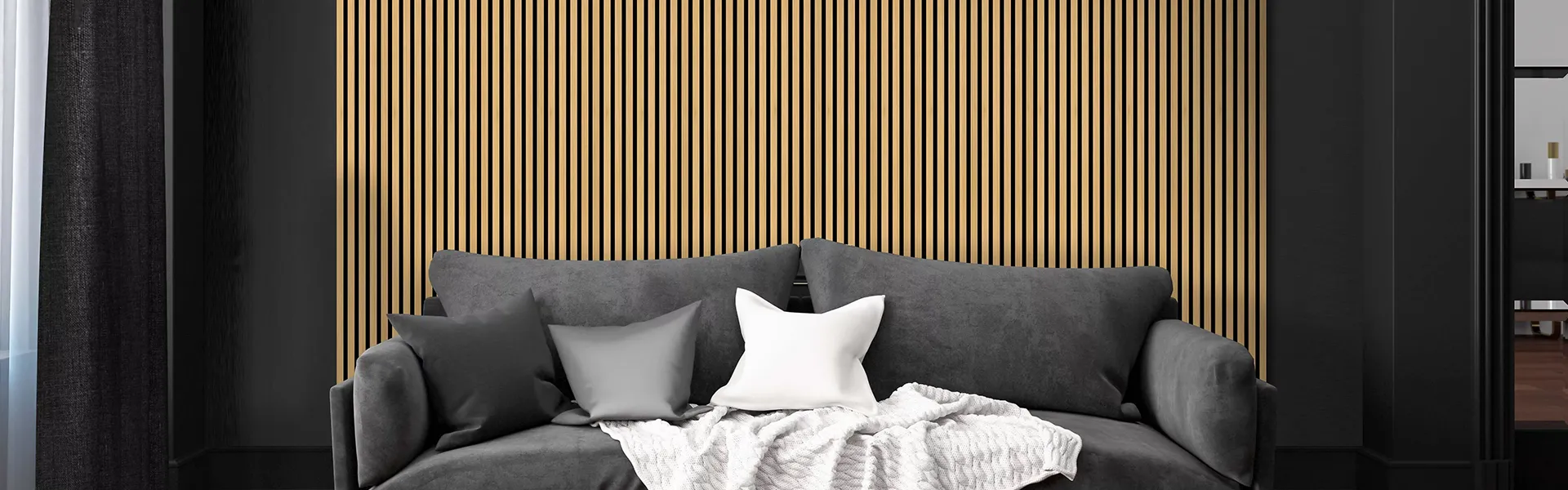
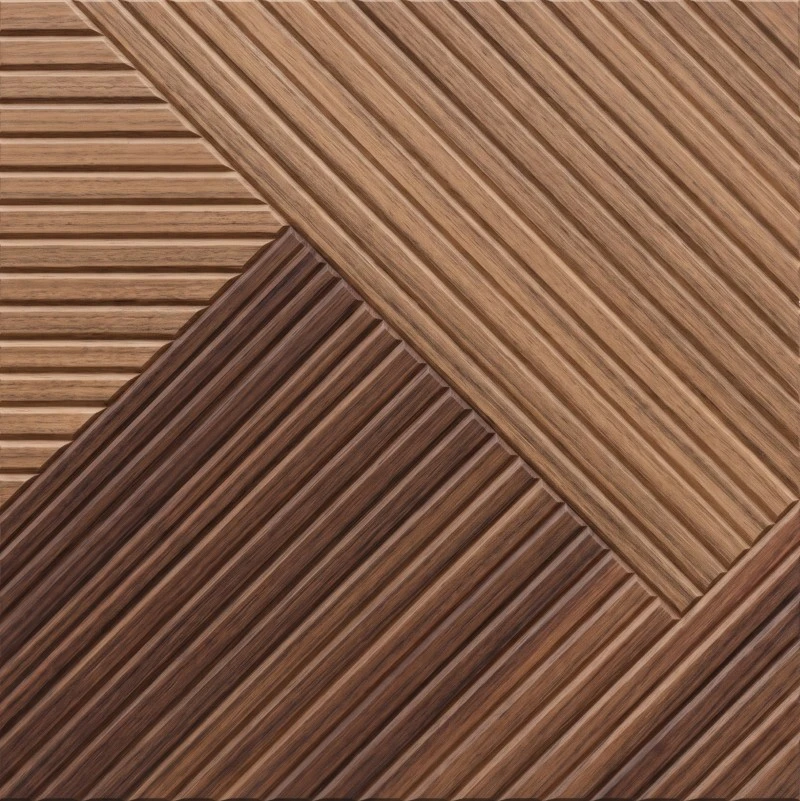
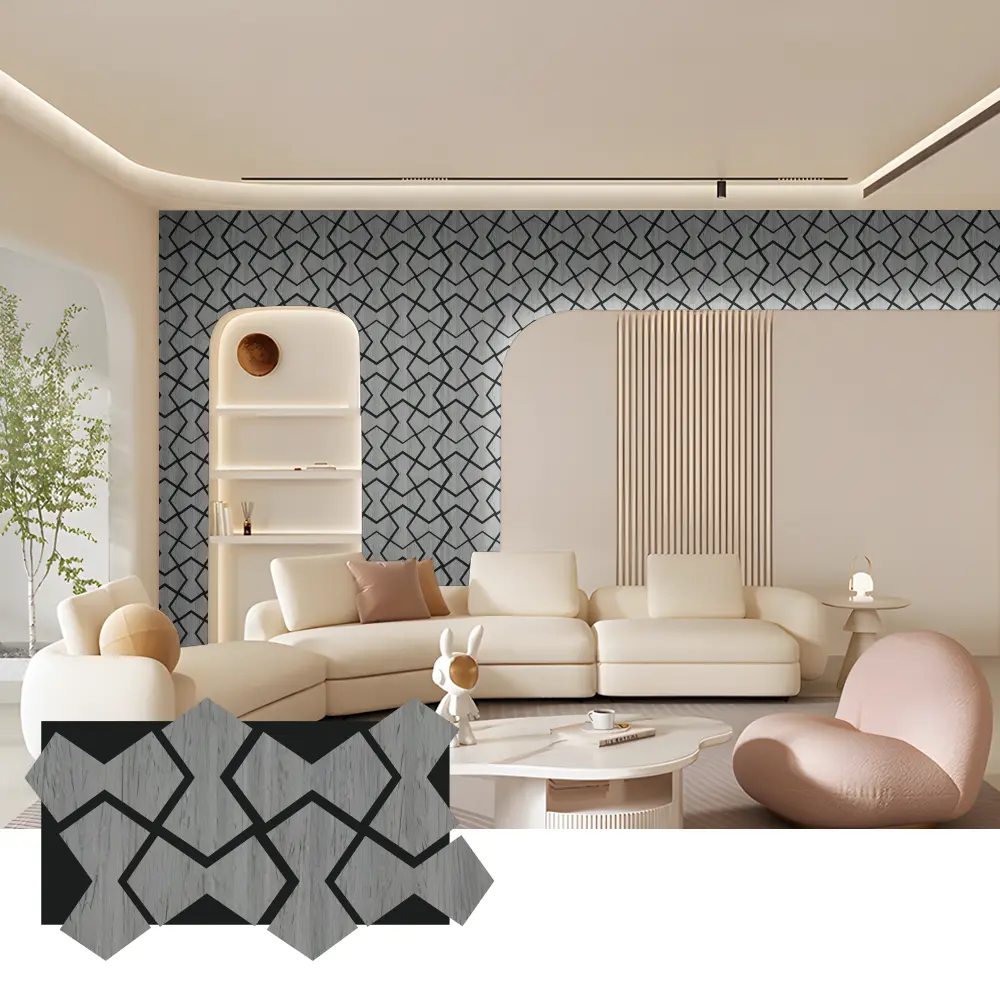
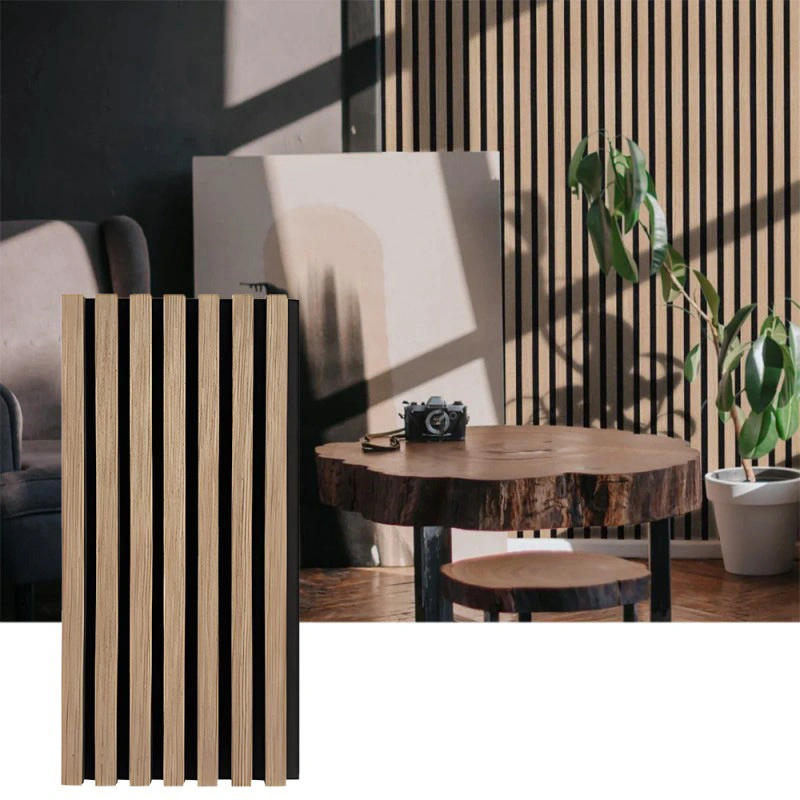
Oak Wood Acoustic Slat Panel for Wall and Ceiling


Table of Contents


What Are MDF Acoustic Panels and How Do They Improve Room Acoustics?

To understand MDF Acoustic Panels, we must first understand the problem they solve. When sound waves are generated in an enclosed space, they bounce off hard surfaces such as walls, floors, and ceilings. This reflection creates echoes and reverberations that degrade sound clarity, causing speech to become muddled and music to lose its definition. In a room with poor acoustics, the sound energy continues to bounce around long after the original source has stopped, creating a "lively" or "noisy" environment that is fatiguing and unproductive. MDF Acoustic Panels are designed to absorb this sound energy rather than reflect it, significantly reducing reverberation time and improving the overall acoustic quality of the room.


The acoustic mechanism behind MDF Acoustic Panels is based on two principles: sound absorption and sound diffusion. The panels are manufactured with perforations, slots, or grooves on their surface. When sound waves strike the panel, they pass through these openings and enter the internal structure of the MDF board. Inside the board, the sound energy is dissipated through friction as the air molecules vibrate within the tiny cavities. Some of the sound energy is also converted into minute amounts of heat, effectively removing it from the acoustic environment. The result is a controlled reduction in sound reflection, leading to shorter reverberation times and clearer auditory perception. The effectiveness of a panel in absorbing sound is measured by its Noise Reduction Coefficient (NRC), which ranges from 0 to 1. A panel with an NRC of 0.7, for example, absorbs 70% of the sound that strikes it and reflects 30%.


The performance of MDF Acoustic Panels depends on several key design factors. The percentage of open area (the ratio of perforated surface to solid surface) determines how much sound can enter the panel. Higher open areas typically correlate with higher sound absorption, especially for mid to high frequencies. The depth of the air cavity behind the panel also affects performance; a deeper cavity provides better absorption of lower frequencies. The panel's thickness and the density of the MDF material influence its structural stability and its ability to absorb sound at various frequencies. At Linyi Shipo Decoration Materials Co., Ltd., our factory has optimized these design parameters to achieve excellent acoustic performance while maintaining the aesthetic versatility that designers require.


To illustrate the impact of MDF Acoustic Panels, consider an open-plan office. Without acoustic treatment, the ambient noise level can reach 70-75 dB, making conversations difficult and reducing productivity. With MDF Acoustic Panels installed on the walls and ceiling, reverberation times can be reduced from 1.5-2.0 seconds to 0.5-0.8 seconds, creating a much more comfortable and productive environment. This transformation is not just about noise reduction; it is about creating a space where people can work, converse, and concentrate effectively. This is why architects and interior designers increasingly specify MDF Acoustic Panels in their projects.


What Makes MDF Acoustic Panels Different From Traditional Wall Panels?

At first glance, a MDF Acoustic Panel might look similar to a traditional decorative wall panel. Both are used to cover walls and enhance the aesthetic appeal of a space. However, the differences between the two are substantial, both in terms of their functional properties and their performance in real-world applications. Understanding these differences is essential for making an informed choice about which material is right for a given project.


The most fundamental difference is purpose. A traditional wall panel is designed primarily for visual aesthetics. It provides a decorative surface, hides imperfections, and can add warmth or style to a room. While some traditional panels may offer a degree of sound insulation (by adding mass to the wall), they are not designed for sound absorption. They tend to reflect sound waves, contributing to echoes and reverberation. A MDF Acoustic Panel, on the other hand, is designed from the ground up for acoustic performance. Its perforated structure is specifically engineered to absorb sound waves, reducing echoes, reverberation, and overall ambient noise levels. This functional difference is the defining characteristic of an acoustic panel.


The difference in performance is reflected in their technical specifications. A traditional solid MDF panel, for example, might have an NRC of 0.05-0.10, meaning it absorbs only 5-10% of the sound that strikes it. A MDF Acoustic Panel, with its perforated design and sound-absorbing backing, can achieve an NRC of 0.60-0.85, absorbing 60-85% of the sound. This is a dramatic difference that translates directly to the acoustic quality of the space. A room with traditional panels will remain noisy and reverberant, while a room with MDF Acoustic Panels will be significantly quieter and more pleasant to be in.


Another key difference is the manufacturing process and material selection. Traditional wall panels are often made from plain MDF, plywood, or other wood-based materials, with a decorative veneer or laminate applied to the surface. MDF Acoustic Panels, by contrast, are manufactured with precision perforations, slots, or grooves, using specialized CNC machinery to ensure consistent pattern quality and acoustic performance. The perforations must be carefully designed to achieve the desired acoustic characteristics, and the backing material (often a non-woven fabric or felt) must be selected for its acoustic properties. This adds to the manufacturing complexity but also to the panel's functional value.


Characteristic MDF Acoustic Panel Traditional Wall Panel
Primary Function Sound absorption + decoration Decoration only
Typical NRC (Noise Reduction Coefficient) 0.60 - 0.85 0.05 - 0.10
Surface Design Perforated, slotted, or grooved Solid, smooth, or textured
Acoustic Performance Reduces reverberation and echo Reflects sound, increases reverberation
Backing Material Non-woven fabric or felt (acoustic) None or decorative backing
Manufacturing Process Precision CNC perforation Standard cutting and finishing


The choice between MDF Acoustic Panels and traditional wall panels is not merely a matter of preference; it is a design decision with significant functional implications. For spaces where sound quality is important—such as offices, restaurants, classrooms, and entertainment venues—MDF Acoustic Panels are the clear winner. They offer the best of both worlds: the warmth and elegance of wood-based materials combined with the functional performance that modern interiors demand.


What Are the Main Benefits of Using MDF Acoustic Panels in Interior Design?

MDF Acoustic Panels have become a go-to solution for interior designers, architects, and building owners for a compelling set of reasons. They offer a combination of acoustic performance, design flexibility, environmental sustainability, and practical benefits that few other materials can match. Here, we will explore the main benefits that make MDF Acoustic Panels such a versatile and valuable addition to any interior design project.


1. Exceptional Sound Absorption Performance. The primary benefit is, of course, the improvement in room acoustics. MDF Acoustic Panels reduce echo and reverberation, making speech clearer, music more detailed, and the overall auditory environment more pleasant. In open-plan offices, this translates to higher productivity and reduced employee fatigue. In restaurants, it enhances conversation and dining experiences. In homes, it creates a quieter, more relaxing living environment. The panels' ability to be installed on both walls and ceilings allows designers to create a comprehensive acoustic treatment that addresses the unique acoustic challenges of each space.


2. Versatile Design and Aesthetic Options. MDF Acoustic Panels are available in a vast array of designs, finishes, and colors. They can be manufactured with different perforation patterns (round holes, square holes, micro-perforations, slotted designs), in various sizes, and with a wide range of surface finishes, including wood veneers, high-gloss laminates, and painted finishes. This versatility means that MDF Acoustic Panels can be seamlessly integrated into any design style, from modern minimalist to classic and traditional. Designers can create custom patterns by arranging panels in different orientations or combining them with other materials to create unique visual effects.


3. Sustainable and Environmentally Friendly. Our MDF Acoustic Panels are manufactured from environmentally friendly raw materials, many of which are sourced from sustainably managed forests. MDF is also a highly recyclable material, and the production process generates low waste. At our factory, we adhere to strict environmental standards, ensuring that our products are not only high quality but also environmentally responsible. The FSC and SGS certifications that our products carry are a testament to our commitment to sustainable practices and responsible sourcing.


4. Fire Resistance and Safety. Building safety is a paramount concern in any project. Our MDF Acoustic Panels are manufactured with fire-retardant treatments, achieving a Class B fire rating. This means they meet strict safety standards and are suitable for use in commercial and public buildings. The panels also undergo rigorous formaldehyde emission testing, ensuring that they meet stringent health and safety requirements.


5. Easy Installation and Maintenance. MDF Acoustic Panels are relatively easy to install, using standard fastening systems such as screwing, gluing, or using a hidden clip system. This reduces labor costs and installation time. The panels are also easy to maintain—they can be dusted or wiped with a damp cloth to keep them clean and looking new.


6. Cost-Effectiveness. Compared to other acoustic solutions, MDF Acoustic Panels offer an excellent balance between performance and cost. They are less expensive than custom-crafted acoustic solutions, yet they provide comparable or superior sound absorption performance. The long service life and low maintenance requirements further enhance their cost-effectiveness.

The combination of these benefits explains why MDF Acoustic Panels are increasingly specified in a wide range of interior projects. From commercial offices and hospitality venues to residential homes and educational facilities, these panels offer a solution that enhances both the aesthetic and functional quality of the interior environment.


What Types of MDF Acoustic Panels Are Available for Commercial Projects?

One of the strengths of MDF Acoustic Panels is the wide variety of types and configurations available to suit different acoustic and aesthetic requirements. Understanding the different types available is key to selecting the right panel for a specific project. Commercial projects, in particular, often require high-performance solutions that combine excellent sound absorption with a high-quality visual finish. Here, we will explore the main types of MDF Acoustic Panels available for commercial applications.


1. Perforated MDF Acoustic Panels. This is the most common type of MDF Acoustic Panel. The surface is perforated with a pattern of small holes, typically round but sometimes square or micro-perforated. The perforations can be arranged in various patterns, such as linear rows, staggered rows, or custom designs. The open area percentage (the ratio of perforated area to solid surface) can be adjusted to achieve different acoustic performance levels. Panels with a higher open area percentage provide greater sound absorption, especially for mid and high frequencies. Perforated panels are ideal for applications where a classic, understated aesthetic is desired, and they offer excellent acoustic performance.


2. Slotted MDF Acoustic Panels. Slotted panels feature a series of narrow slots or slits cut into the surface of the MDF board. The slots can be arranged in a linear pattern, a staggered pattern, or a custom configuration. Slotted panels often incorporate a sound-absorbing fabric or felt backing behind the slots, which further enhances their acoustic performance. The slot design also adds a strong visual element, creating a distinctive modern aesthetic. Slotted panels are a popular choice for corporate offices, auditoriums, and other spaces where contemporary design is desired.


3. Wood Veneer PET Acoustic Panels. This is a premium category of MDF Acoustic Panels that combines the natural beauty of wood veneer with the acoustic performance of a composite structure. The panels are made from an MDF base with a real wood veneer surface, which is then perforated. The backing is often a PET acoustic felt, which adds to the panel's sound absorption and provides a luxurious finish. Wood veneer PET Acoustic Panels are an ideal choice for high-end commercial projects, including hotel lobbies, executive offices, and luxury residences, where the warmth and elegance of natural wood is desired alongside high acoustic performance.


4. Grooved MDF Acoustic Panels. Grooved panels feature a series of linear or curved grooves on the surface. The grooves create a textured visual effect and provide a degree of sound diffusion, which complements the absorption provided by the panel's structure. Grooved panels are often used in combination with other acoustic treatments to create a layered acoustic environment.


The following table summarizes the main types of MDF Acoustic Panels and their typical applications.

Panel Type Surface Design Typical NRC Typical Applications
Perforated Panels Round or square holes in patterns 0.60 - 0.80 Offices, conference rooms, classrooms
Slotted Panels Linear or staggered slots 0.65 - 0.85 Auditoriums, lecture halls, theaters
Wood Veneer PET Panels Real wood veneer with perforations 0.60 - 0.80 Hotels, luxury offices, residences
Grooved Panels Linear or curved grooves 0.50 - 0.70 Retail stores, reception areas, corridors


The choice of panel type should be based on a combination of acoustic requirements, aesthetic preferences, and the specific functional needs of the space. Our factory at Wonear offers all of these panel types, and we provide expert guidance to help clients select the best solution for their project.

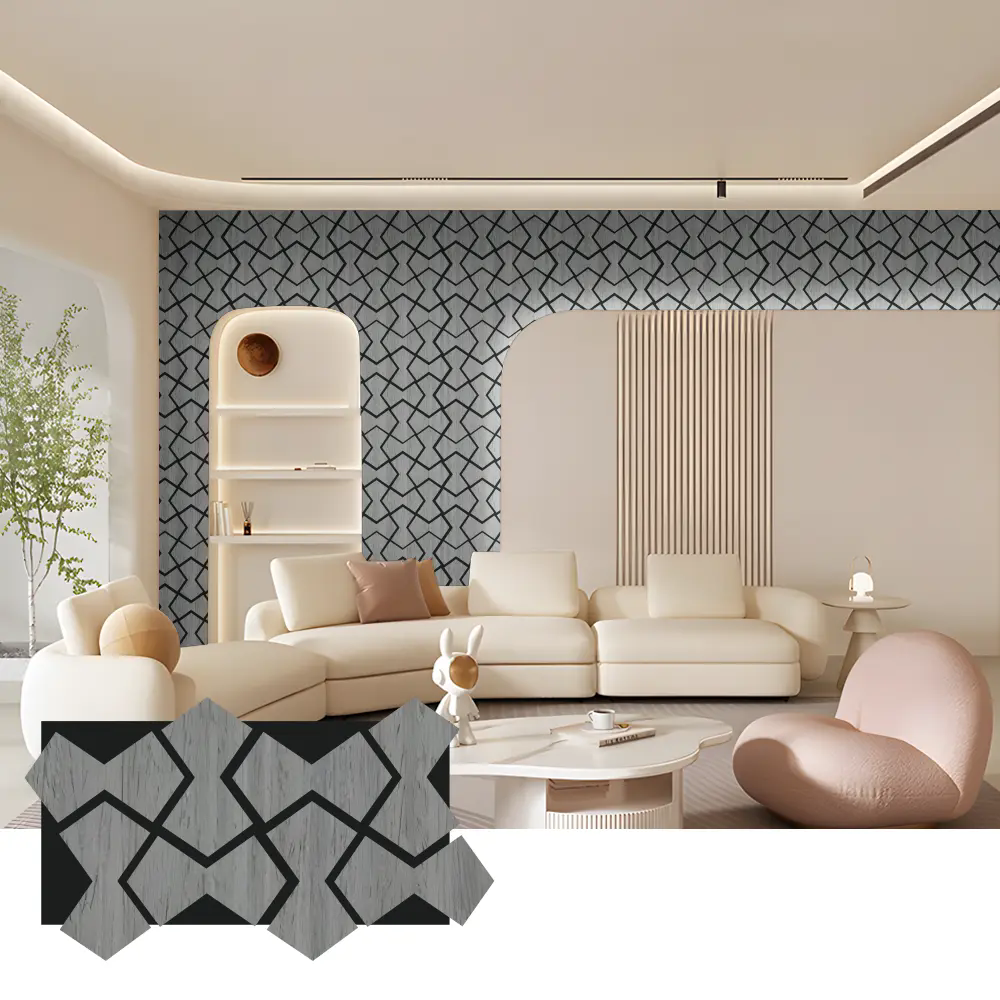
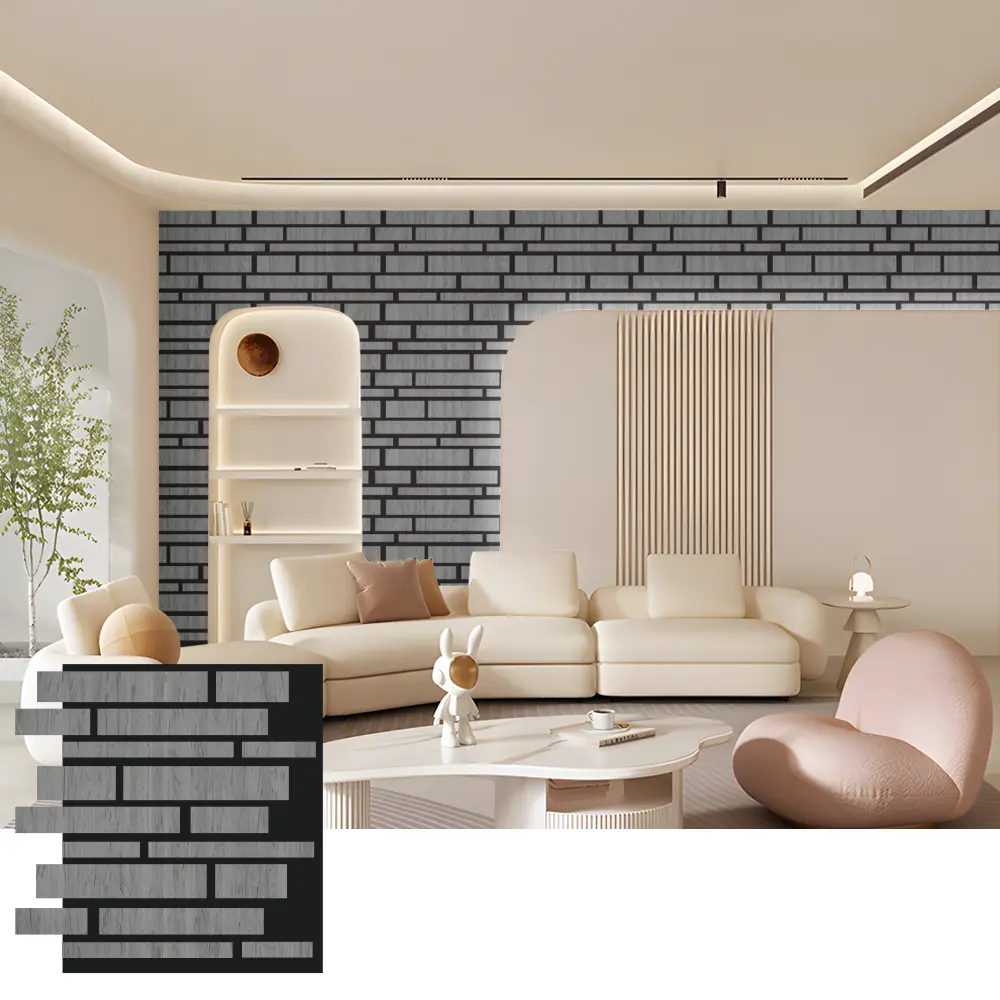
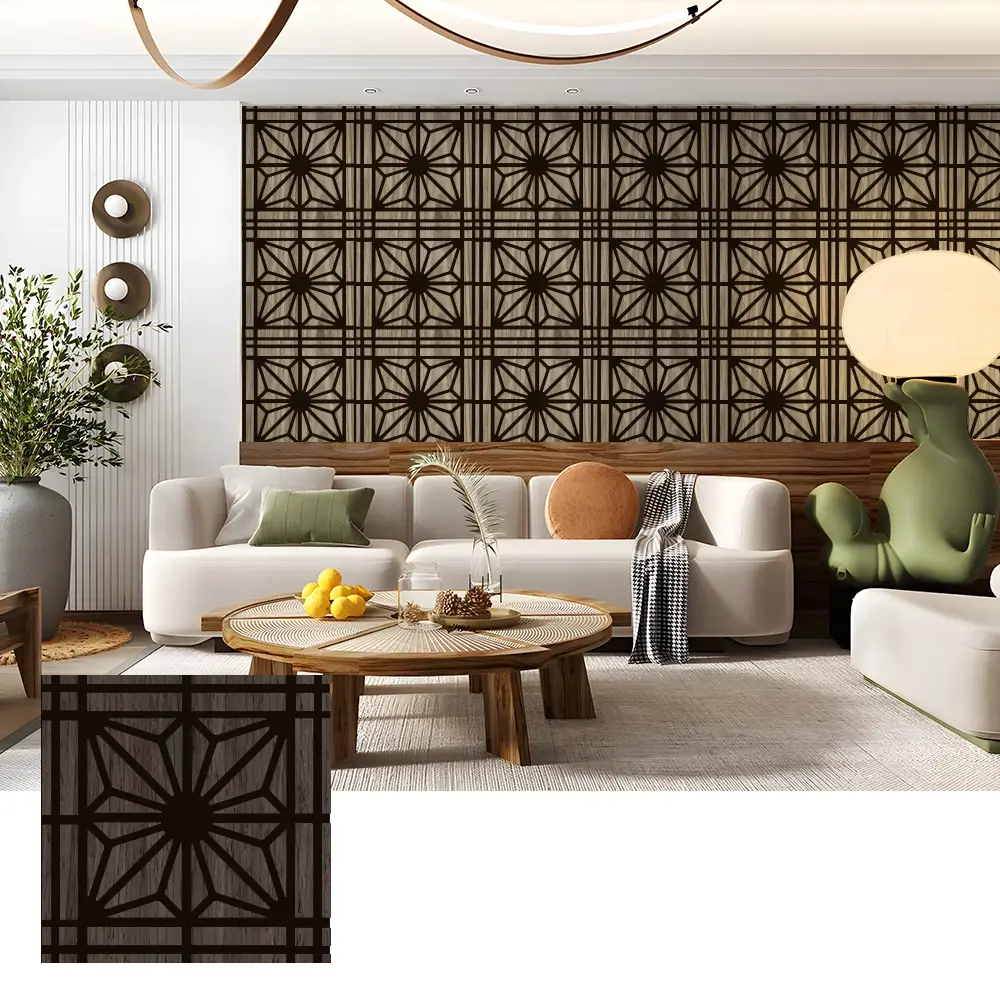
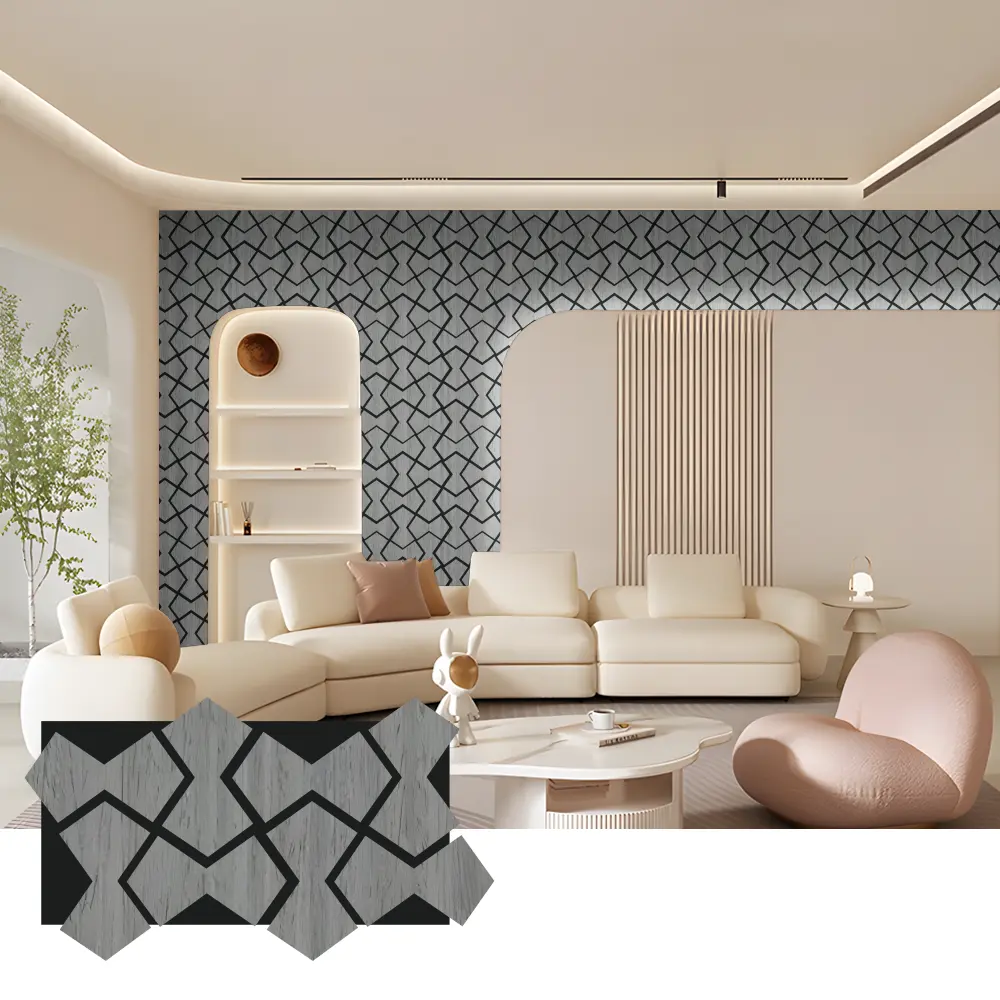
Wonear Wooden Acoustic Wall Panels for Interior Noise Reduction


What Materials Are Used in High-Performance MDF Acoustic Panels?

The performance of MDF Acoustic Panels is not just determined by their design; it is also a function of the materials from which they are made. High-quality materials are essential for ensuring acoustic effectiveness, durability, and safety. A high-performance MDF Acoustic Panel is a carefully engineered composite structure, and every layer has a specific role to play. Here, we will examine the key materials used in the construction of our MDF Acoustic Panels.


1. Medium Density Fiberboard (MDF) Base. The MDF base provides the structural core of the panel. It is manufactured from wood fibers that are bonded together with a synthetic resin, then pressed into a dense, uniform board. The density of the MDF affects both the acoustic performance and the structural strength of the panel. Our MDF Acoustic Panels use high-density MDF (typically 780-820 kg/m³), which provides excellent sound absorption characteristics and ensures that the panels can withstand the stresses of installation and use.


2. Acoustic Felt Backing. Many MDF Acoustic Panels incorporate a backing of non-woven acoustic felt. This felt is placed behind the perforated or slotted surface and serves two critical functions. First, it provides additional sound absorption by trapping sound waves that pass through the perforations. Second, it prevents dust and dirt from passing through the panels while also providing a clean, finished appearance from the back. The felt backing is typically made from polyester fibers, which are highly durable and resistant to moisture.


3. Surface Finish Materials. The surface finish of an MDF Acoustic Panel is what gives it its decorative appearance. A wide range of finish materials can be applied to the MDF Acoustic Panel surface. Real wood veneers, such as oak, walnut, cherry, and maple, provide a natural, warm aesthetic. High-gloss laminates and painted finishes offer a modern, sleek look and are available in virtually any color. The surface finish not only affects the visual appearance but also the durability and resistance to environmental factors.


4. Binding and Resin Materials. The MDF Acoustic Panels are bonded together using formaldehyde-reduced or formaldehyde-free resins, ensuring that the panels meet stringent health standards. Our panels undergo rigorous formaldehyde emission testing to ensure compliance with international safety regulations.

Material Component Material Description Function
MDF Base High-density wood fiberboard (780-820 kg/m³) Structural core; provides durability and acoustic mass
Acoustic Felt Backing Non-woven polyester fiber felt Additional sound absorption; dust barrier
Wood Veneer Surface Natural wood veneer (oak, walnut, cherry, maple) Aesthetic finish; adds warmth and elegance
Laminate Surface High-gloss or matte laminate Durable, cleanable, modern aesthetic
Resin Binder Formaldehyde-reduced or formaldehyde-free resin Bonds wood fibers; ensures safety and compliance
Fire Retardant Additives Class B fire retardant chemicals Meets fire safety regulations


The careful selection and combination of these materials ensures that our MDF Acoustic Panels deliver both outstanding acoustic performance and long-lasting durability. The materials we use are sourced from reputable suppliers and are subject to strict quality control inspections at every stage of the production process. This commitment to material quality is one of the reasons why our MDF Acoustic Panels have gained a strong reputation in the global market.


What Should You Know Before Choosing MDF Acoustic Panels for Your Space?

Choosing the right MDF Acoustic Panels for a space is a design decision that requires careful consideration of several factors. It is not simply a matter of selecting a visually appealing panel; it is about understanding the acoustic requirements of the space, the aesthetic vision, and the practical constraints of installation and maintenance. By asking the right questions and considering the following factors, you can ensure that your MDF Acoustic Panels deliver the performance and appearance that you expect.


1. Acoustic Performance Requirements. The first and most important factor is the acoustic performance requirement of the space. Different spaces have different acoustic needs. A recording studio requires a much higher level of sound absorption than a restaurant, while an open-plan office requires a balance between absorption and reflection to create a comfortable but lively acoustic environment. The key metric to consider is the NRC (Noise Reduction Coefficient). Higher NRC panels provide greater sound absorption and are suitable for spaces where echo and reverberation are a problem. For many commercial spaces, an NRC of 0.60-0.70 is sufficient; for more demanding applications, an NRC of 0.80 or above is recommended.


2. Aesthetic Design and Finish. The visual appearance of the panels is a critical design consideration. MDF Acoustic Panels are available in a wide variety of finishes, including wood veneers, laminates, and painted finishes. The selection should complement the overall interior design scheme. Wood veneers provide a natural, warm feel and are suitable for high-end commercial and residential spaces. Laminates and painted finishes offer a more modern, contemporary look and are available in a vast array of colors and patterns. The perforation pattern and panel size also contribute to the visual effect; smaller perforations create a finer, more delicate appearance, while larger perforations produce a more dramatic visual impact.


3. Installation Method. Consider how the panels will be installed. Are they for wall applications or ceiling applications? Will they be installed directly onto a solid wall, or onto a suspended grid system? MDF Acoustic Panels can be installed using various methods, including screwing directly into the studs, gluing to the substrate, or using a hidden clip system. The installation method influences the visual effect and the ease of installation. For example, a hidden clip system provides a clean, seamless appearance but may be more expensive than direct screwing. The chosen installation method should be matched to the project's budget, timeline, and aesthetic requirements.


4. Environmental and Safety Compliance. In commercial and public buildings, MDF Acoustic Panels must meet stringent fire safety and environmental standards. Check that the panels have the necessary certifications, including fire resistance ratings (such as Class B fire rating) and low formaldehyde emission certification. Our MDF Acoustic Panels are certified to meet these standards, ensuring they can be safely used in any building type.


5. Budget and Total Cost of Ownership. While the initial purchase price of MDF Acoustic Panels is an important consideration, the total cost of ownership should also be taken into account. This includes installation costs, maintenance costs, and the expected service life of the panels. MDF Acoustic Panels are durable and require minimal maintenance, making them a cost-effective choice in the long run. Our factory offers competitive pricing and a range of options to suit different budgets, without compromising on quality. By considering these factors, you can select MDF Acoustic Panels that will deliver the acoustic performance, visual appearance, and practical functionality that your space requires.


Frequently Asked Questions (FAQ)

Question 1: What is the difference between MDF Acoustic Panels and PET Acoustic Panels?

Answer: The main difference lies in their material composition. MDF Acoustic Panels are made from Medium Density Fiberboard, which provides structural strength and a smooth surface for decorative finishes. PET Acoustic Panels, on the other hand, are made from recycled polyester fibers, which are compressed and bonded to create a lightweight, flexible material. MDF panels typically offer higher rigidity and a more refined surface finish, making them suitable for high-end commercial projects where both aesthetics and performance are critical. PET panels are highly sustainable and excellent for applications requiring high sound absorption. Both types are available from Linyi Shipo Decoration Materials Co., Ltd., and we can help you choose the best option for your project.


Question 2: How effective are MDF Acoustic Panels at reducing noise in a room?

Answer: MDF Acoustic Panels are highly effective at reducing noise and improving room acoustics. The effectiveness is measured by the NRC (Noise Reduction Coefficient). Typical MDF Acoustic Panels have an NRC of 0.60-0.85, meaning they absorb 60-85% of the sound that strikes them. This dramatically reduces reverberation and echo, making rooms quieter and more comfortable. In practical terms, installing MDF Acoustic Panels can reduce reverberation times from 1.5-2.0 seconds to 0.5-0.8 seconds, which is a noticeable and significant improvement.


Question 3: Are MDF Acoustic Panels environmentally friendly?

Answer: Yes, when manufactured responsibly. Our MDF Acoustic Panels are made from environmentally friendly raw materials sourced from sustainably managed forests. They are certified by FSC (Forest Stewardship Council) and SGS, demonstrating our commitment to environmental responsibility. The panels also undergo rigorous formaldehyde emission testing to ensure they meet health standards. By choosing MDF Acoustic Panels from a responsible manufacturer, you can achieve excellent acoustic performance while supporting sustainable practices.


Question 4: Can MDF Acoustic Panels be painted or custom-finished to match a specific color scheme?

Answer: Yes, MDF Acoustic Panels can be finished in a wide range of colors and styles. They are available with a variety of surface finishes, including real wood veneers, high-gloss laminates, and painted finishes. For custom color matching, we can provide painted panels in virtually any color. Our factory has a dedicated finishing department that can match specific RAL or Pantone color references. Custom finishing ensures that the panels seamlessly integrate with the overall interior design scheme.


Question 5: What is the fire rating of MDF Acoustic Panels?

Answer: Our MDF Acoustic Panels are manufactured with fire-retardant treatments to achieve a Class B fire rating. This meets the requirements for use in commercial and public buildings. The panels also undergo rigorous fire testing to ensure they comply with international fire safety standards. For applications requiring a higher fire rating, we offer custom solutions with enhanced fire resistance. Always check the product specifications to ensure compliance with local building codes.


About the Manufacturer

Linyi Shipo Decoration Materials Co., Ltd., established in 2017, is a professional manufacturer of new environmental protection decoration materials. Our factory spans 6,000 square meters and operates 20 advanced production lines, achieving an annual output of approximately 8 million square meters. With self-operated import and export rights and over 8 years of foreign trade experience, we serve customers in the United States, the Middle East, Europe, and beyond. Our main products include MDF Acoustic Panels, PET acoustic panels, and wood veneer PET acoustic panels. Our products are made from environmentally friendly raw materials, feature Class B fire resistance, and hold CE, FSC, and SGS certifications. We have passed rigorous fire resistance and formaldehyde tests. Our experienced production team ensures stable, high-quality products, helping our customers gain a larger market share. Our guiding principle is: Innovation is fundamental, quality is life—Shipo deserves to be your trusted partner.

about us


Conclusion: Transform Your Space with MDF Acoustic Panels

MDF Acoustic Panels are a versatile, high-performance solution for improving room acoustics while enhancing the visual appeal of any interior space. From the technical superiority of their sound-absorbing design to the wide range of finishes and types available, these panels offer a practical and aesthetic solution for a wide range of commercial, public, and residential projects. By understanding the different types, materials, and selection criteria, you can make an informed choice that ensures your space achieves the perfect balance of form and function.


At Wonear, we are committed to providing high-quality MDF Acoustic Panels that meet the needs of architects, designers, and building owners worldwide. Our commitment to quality, sustainability, and innovation is reflected in every panel we produce. Explore our complete range of MDF Acoustic Panels to find the perfect solution for your next project. Our expert team is ready to assist you with technical specifications, design advice, and order fulfillment. Contact us today to discuss how we can bring your acoustic vision to life. Contact Linyi Shipo Decoration Materials Co., Ltd. now for a free consultation and product catalog.

Related News
Leave me a message
X
We use cookies to offer you a better browsing experience, analyze site traffic and personalize content. By using this site, you agree to our use of cookies.Privacy Policy