News

Why Are Oak Wood Acoustic Slat Panels Becoming a Popular Choice for Modern Wall and Ceiling Design?

2026-08-06 0 Leave me a message

In modern architectural design, creating comfortable indoor environments requires more than visual appeal. Acoustic performance, sustainability, and material aesthetics have become key factors for offices, hotels, residential spaces, studios, and commercial buildings.

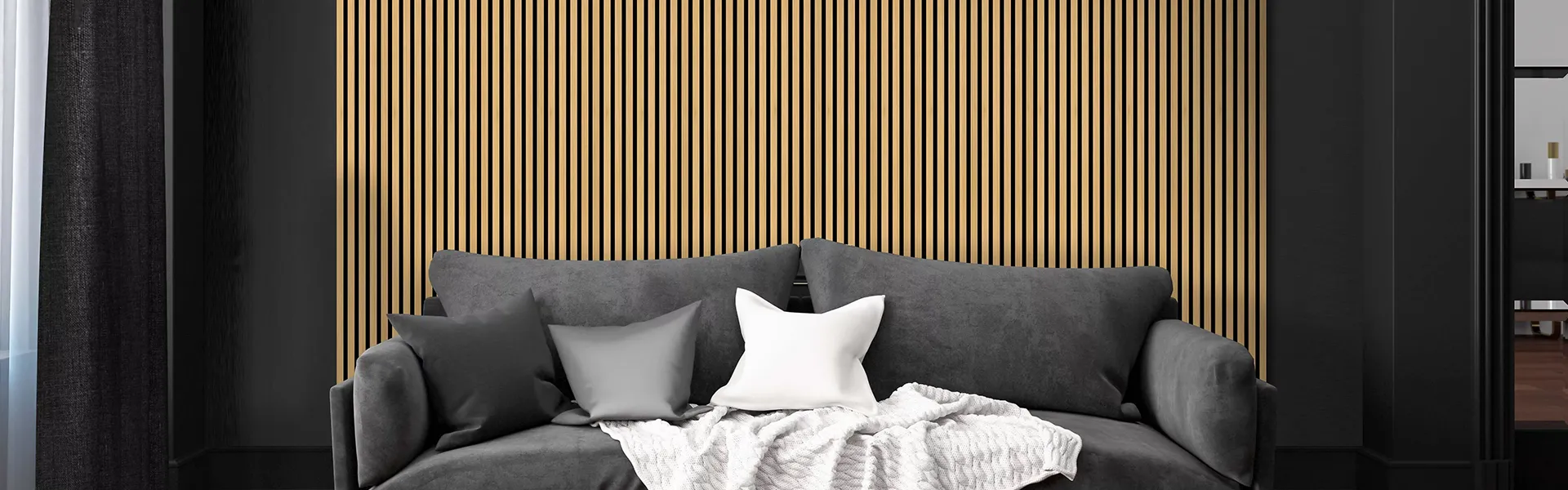
As designers and architects look for solutions that combine natural beauty with sound control, the Oak Wood Acoustic Slat Panel for Wall and Ceiling has become an increasingly popular choice for improving room acoustics while creating a warm and elegant interior atmosphere.

Why Is Acoustic Performance Becoming More Important in Modern Buildings?

With the development of open offices, multifunctional spaces, and minimalist interior designs, problems such as excessive reverberation, background noise, and poor speech clarity have become common challenges.

Traditional decorative materials mainly focus on appearance, while modern acoustic panels are designed to balance both aesthetics and sound absorption performance.

Oak wood acoustic slat panels help reduce unwanted reflections by combining decorative wooden surfaces with acoustic absorption layers, creating a more comfortable acoustic environment.

How Does an Oak Wood Acoustic Slat Panel Improve Indoor Sound Quality?

The structure of an Oak Wood Acoustic Slat Panel usually consists of three functional layers:

  • Natural Oak Wood Veneer Surface: Provides a premium wood appearance with unique grain patterns and a warm natural texture.
  • Acoustic Felt Backing Layer: Absorbs sound energy and reduces echo within interior spaces.
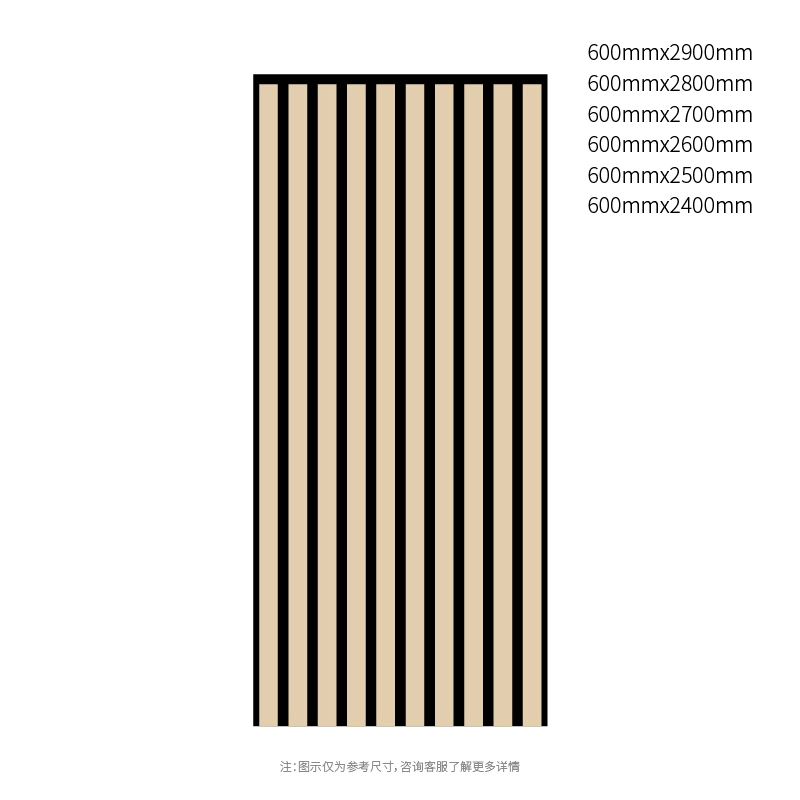
  • Wood Slat Structure: Creates gaps between slats that improve sound diffusion and absorption efficiency.

This combination allows the panel to provide both decorative value and acoustic control, making it suitable for wall and ceiling applications.

What Makes Oak Wood Acoustic Slat Panels Different from Traditional Wall Decoration?

Compared with conventional wall materials such as painted surfaces, wallpaper, or solid wood panels, acoustic slat panels provide additional functional benefits.

Material Main Function Acoustic Performance
Painted Wall Basic decoration Limited sound absorption
Solid Wood Panel Natural appearance Low acoustic control
Oak Wood Acoustic Slat Panel Decoration + Sound Absorption Improved noise reduction and echo control

Where Can Oak Wood Acoustic Slat Panels Be Used?

Due to their combination of acoustic functionality and natural design, oak wood acoustic panels are widely used in various interior environments.

1. Office and Commercial Spaces

Open-plan offices often suffer from excessive conversations and background noise. Installing acoustic slat panels on walls and ceilings helps improve speech privacy and employee comfort.

2. Hotels and Hospitality Projects

Hotels require both aesthetic quality and a relaxing atmosphere. Oak wood acoustic panels create a premium natural appearance while reducing unwanted noise in guest rooms, lobbies, and restaurants.

3. Home Interior Applications

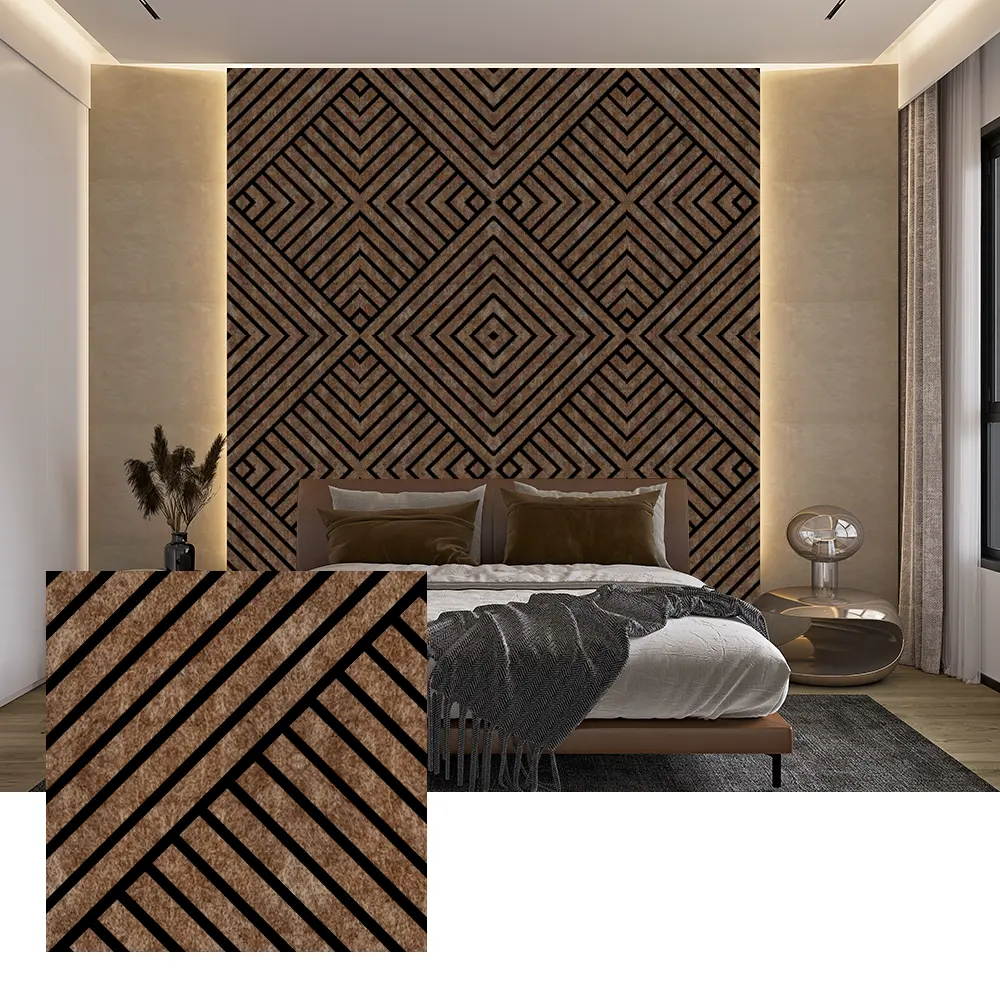
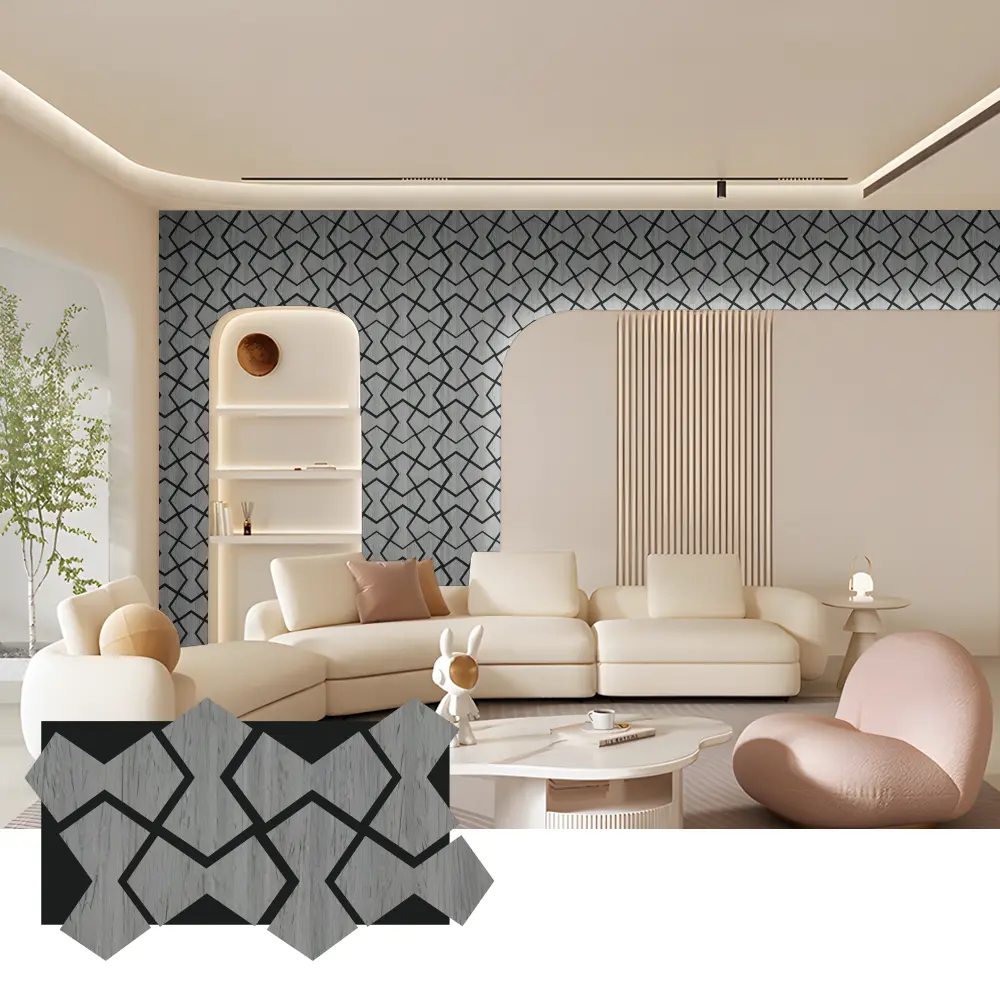
For modern homes, acoustic wood panels are often installed in living rooms, bedrooms, TV walls, and home theaters to enhance both visual design and acoustic experience.

4. Studios and Entertainment Areas

Recording rooms, music studios, and cinemas require effective sound management. Acoustic slat panels help control reflections and improve sound clarity.

Why Choose Oak Wood Instead of Other Wood Finishes?

Oak wood has long been valued in interior design because of its durability, natural grain patterns, and timeless appearance.

The advantages of oak wood acoustic panels include:

  • Natural wood texture suitable for premium interior projects
  • Stable appearance with excellent decorative performance
  • Compatibility with modern, Scandinavian, minimalist, and luxury design styles
  • Ability to create a warm and comfortable indoor atmosphere

What Should Architects Consider When Selecting Acoustic Slat Panels?

Choosing the right acoustic wall and ceiling panel requires consideration of several technical factors:

  • Acoustic Performance: Evaluate sound absorption requirements according to room function.
  • Material Quality: Check veneer quality, backing material, and manufacturing consistency.
  • Installation Method: Ensure the panel system matches wall and ceiling structures.
  • Environmental Requirements: Consider fire rating, sustainability certifications, and indoor air quality standards.
  • Design Flexibility: Select colors, finishes, and sizes that match the overall architectural concept.

How Are Wood Acoustic Panels Developing in Sustainable Architecture?

With increasing attention to green buildings and environmentally responsible materials, acoustic wood panels are becoming an important element in sustainable interior design.

Future development trends include:

  • More environmentally friendly wood sourcing
  • Improved recyclable acoustic backing materials
  • Higher fire-resistant performance
  • Customized designs for different architectural applications
  • Integration with smart building concepts

Conclusion

The Oak Wood Acoustic Slat Panel for Wall and Ceiling provides a practical solution for modern interiors that require both aesthetic quality and acoustic comfort.

By combining natural oak wood beauty with advanced sound absorption technology, these panels help architects, designers, and builders create quieter, healthier, and more attractive indoor environments.

Related News
Leave me a message
X
We use cookies to offer you a better browsing experience, analyze site traffic and personalize content. By using this site, you agree to our use of cookies.Privacy Policy