News

Decorative Acoustic Wood Veneer Panels for Modern Interiors

2026-08-26 0 Leave me a message

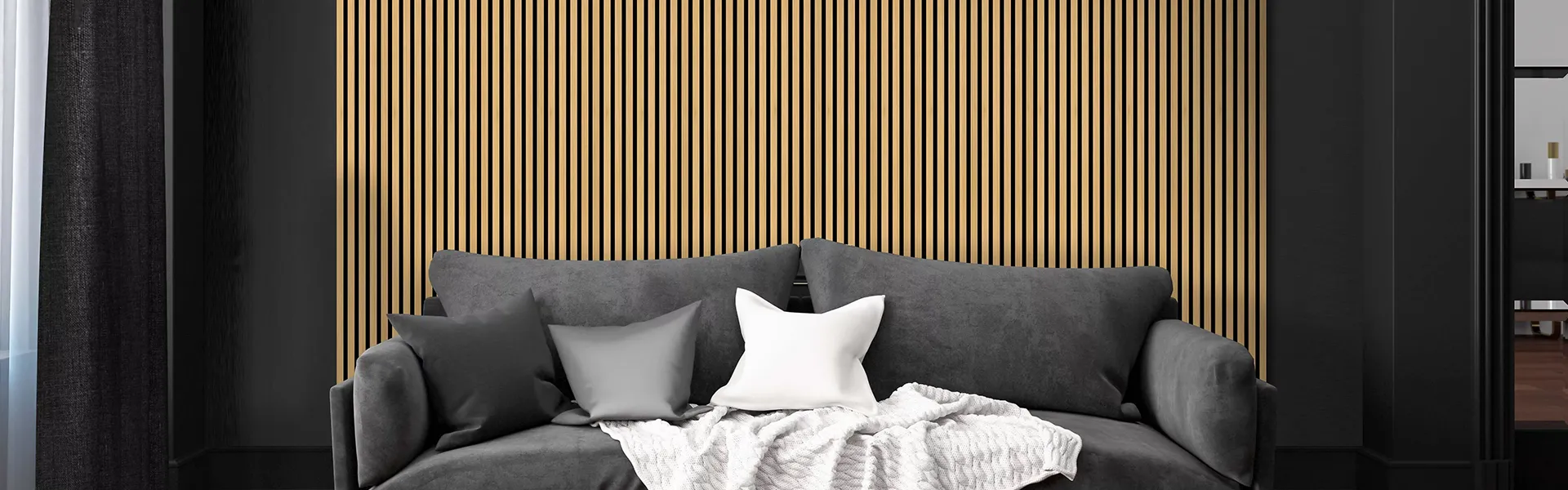
Decorative Acoustic Wood Veneer Panels from Wonear combine interior sound absorption with a natural wood appearance, making them suitable for projects where acoustic comfort and architectural aesthetics need to be addressed together. The panel structure uses a high-density polyester fiber acoustic core with a natural wood veneer surface, providing a practical option for modern residential, hospitality, commercial, and architectural interiors.

For architects, contractors, interior designers, distributors, and project buyers, acoustic panels should be evaluated based on more than appearance. Core material, panel thickness, surface finish, installation method, acoustic requirements, fire performance, environmental considerations, customization capability, and project quantity all influence the final selection.

What Are Decorative Acoustic Wood Veneer Panels?

Combining Acoustic Function with Wood Appearance

Decorative acoustic wood veneer panels are interior wall or ceiling materials designed to provide sound absorption while maintaining the visual warmth of wood. Unlike conventional decorative wall panels that primarily focus on appearance, the acoustic structure is intended to help reduce reflected sound and excessive reverberation in indoor spaces.

Wonear uses a high-density polyester fiber acoustic core together with natural wood veneer or other customized surface treatments. This structure allows the panel to serve both a decorative and acoustic function within the same interior system.

Suitable for Modern Architectural Spaces

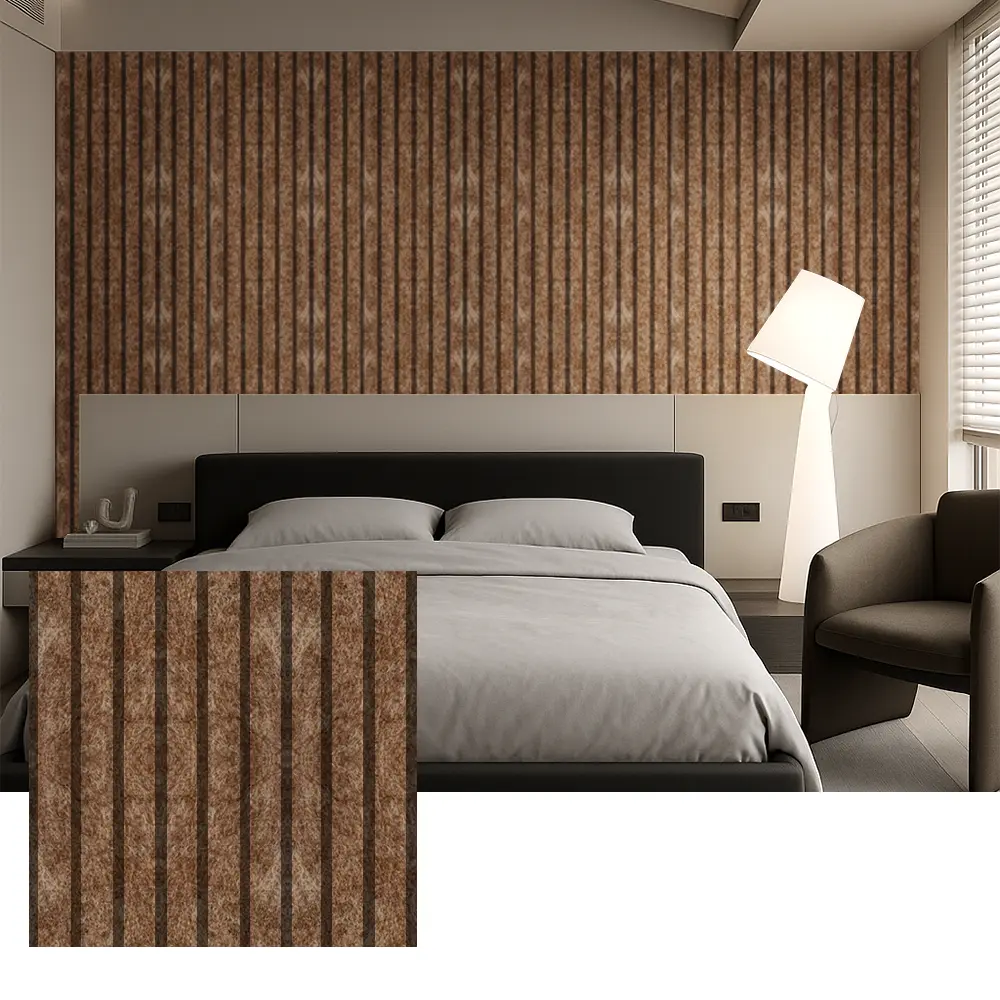
The natural wood surface can complement minimalist, Scandinavian, contemporary, premium, and hospitality-oriented interiors. The acoustic core makes the system particularly relevant for rooms where speech clarity and sound comfort are important.

Core Parameters

Parameter Specification Buyer Consideration
Product Type Decorative Acoustic Wood Veneer Panels Interior decorative and sound-absorbing panel
Brand Wonear Manufacturer and supplier of acoustic interior materials
Acoustic Core High-density polyester fiber Provides sound absorption within the panel structure
Available Core Thickness 5 mm, 9 mm, 10 mm, and 12 mm Thickness can be selected according to design and acoustic requirements
Surface Natural wood veneer or customized surface Supports different architectural styles
Surface Alternative UV printed finish Allows customized colors, patterns, and graphics
Installation Adhesive, nails, and other suitable fixing methods Installation method depends on substrate and project conditions
Customization Size, thickness, color, pattern, and surface texture Suitable for OEM and project-specific requirements
Application Offices, hotels, restaurants, homes, studios, and public interiors Suitable for residential and commercial projects
Production Support OEM/ODM and sample development Useful for customized architectural projects

Final acoustic performance depends on panel thickness, installation method, coverage area, substrate, room geometry, frequency range, and the overall acoustic design. Buyers should confirm project-specific test data when a defined acoustic performance level is required.

Panel Structure and Material Selection

High-Density Polyester Fiber Core

The polyester fiber core provides the primary sound-absorbing structure. Its porous fiber composition helps absorb reflected sound energy, which can reduce excessive reverberation and improve acoustic comfort in suitable indoor environments.

Wonear offers several thickness options, including 5 mm, 9 mm, 10 mm, and 12 mm. Thinner panels can be useful where flexibility and decorative treatment are priorities, while thicker configurations can provide greater material depth for acoustic applications.

Natural Wood Veneer Surface

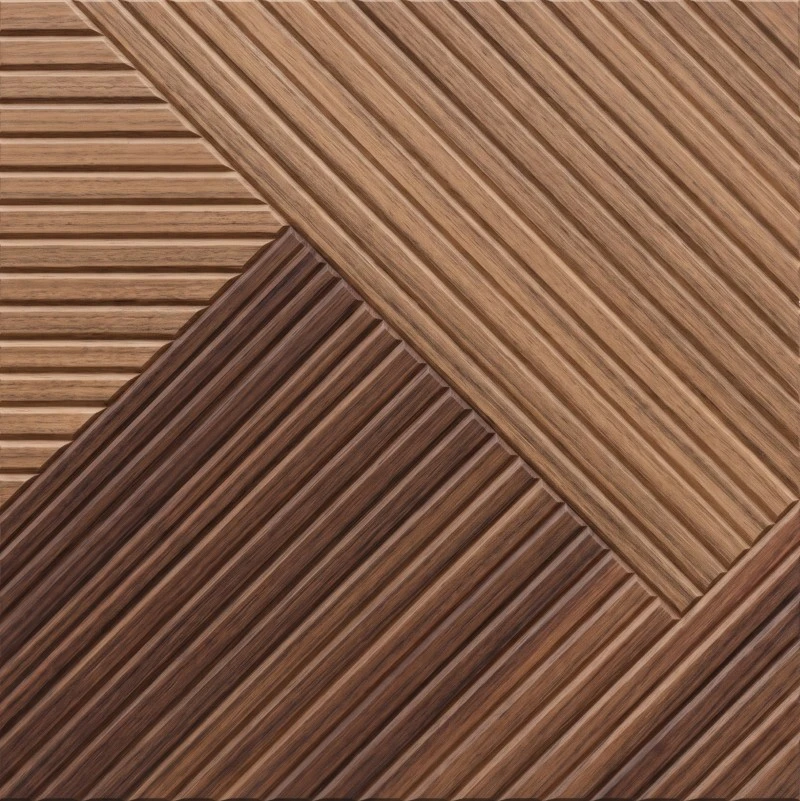
The wood veneer surface adds a natural wood texture to the acoustic panel. This makes it possible to introduce a warmer material appearance into spaces that would otherwise rely heavily on painted walls, metal, glass, or other hard surfaces.

Wood veneer selection can be coordinated with furniture, flooring, wall finishes, doors, and other architectural elements to create a consistent interior palette.

Customized Surface Options

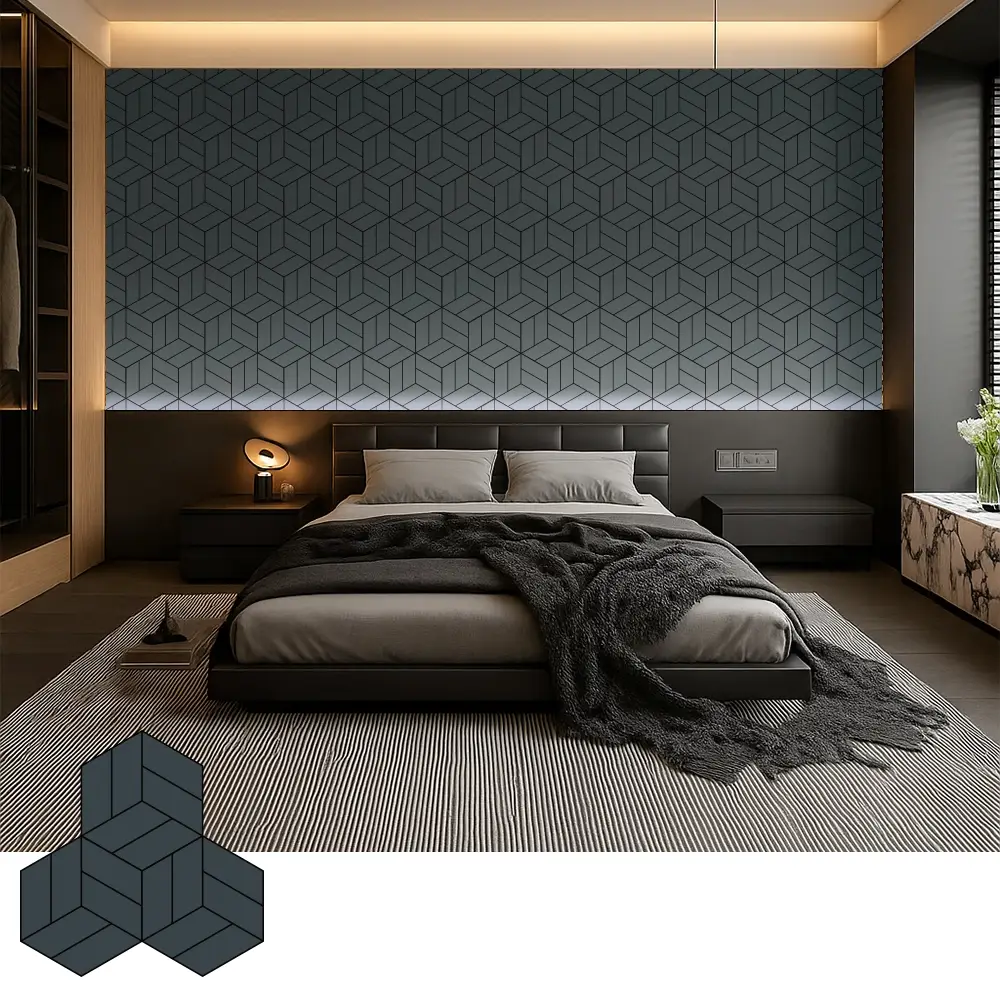
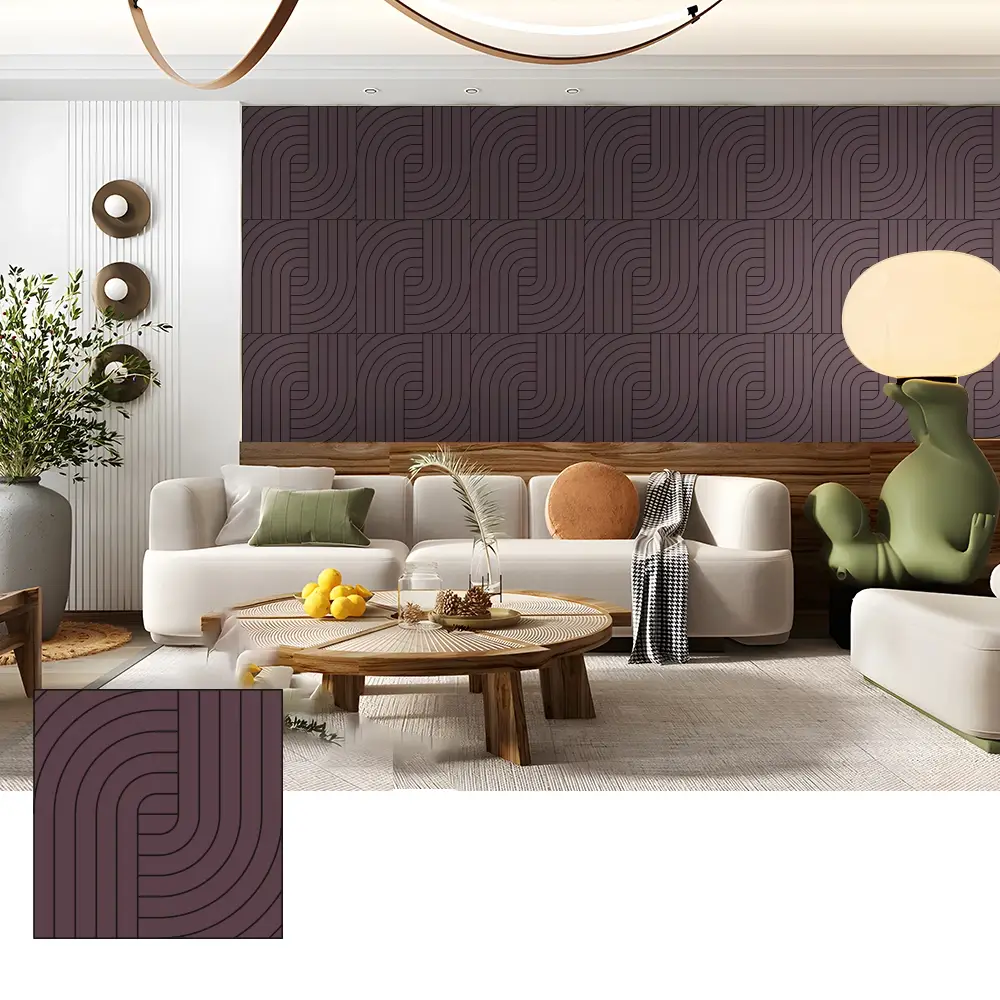
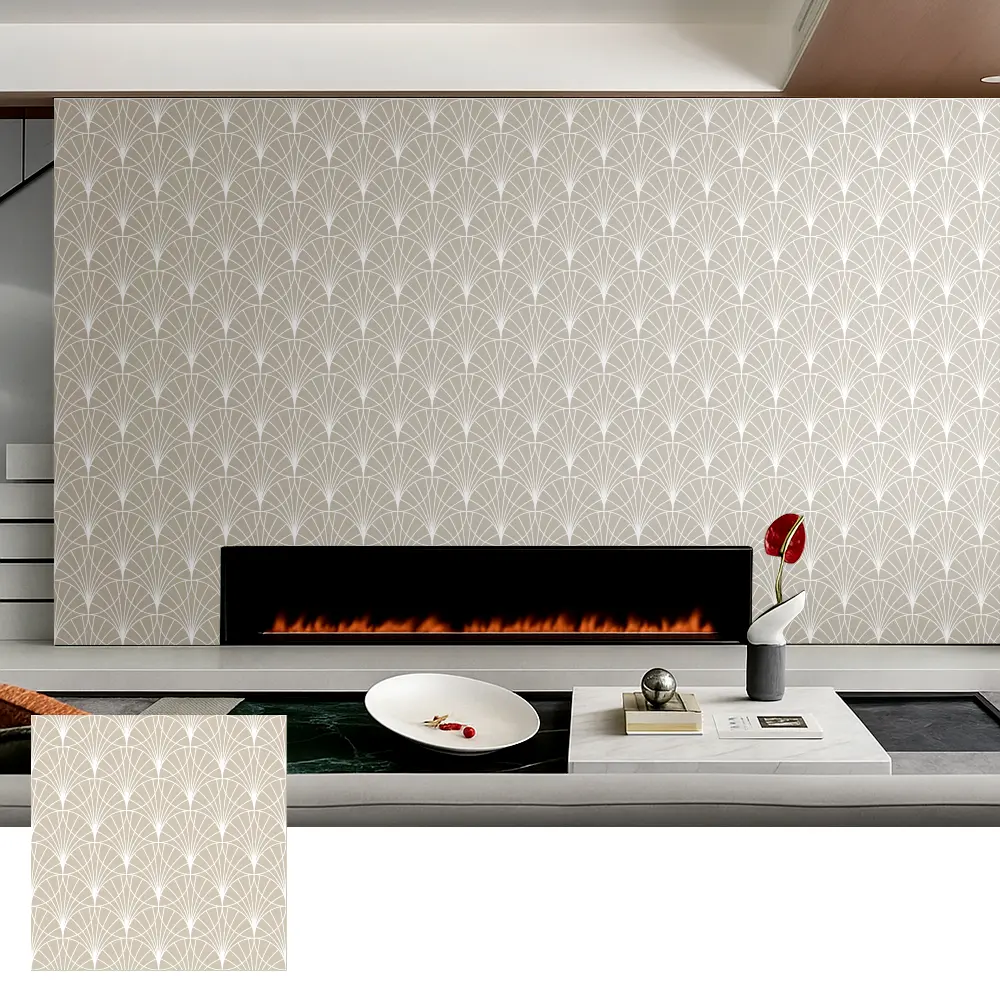
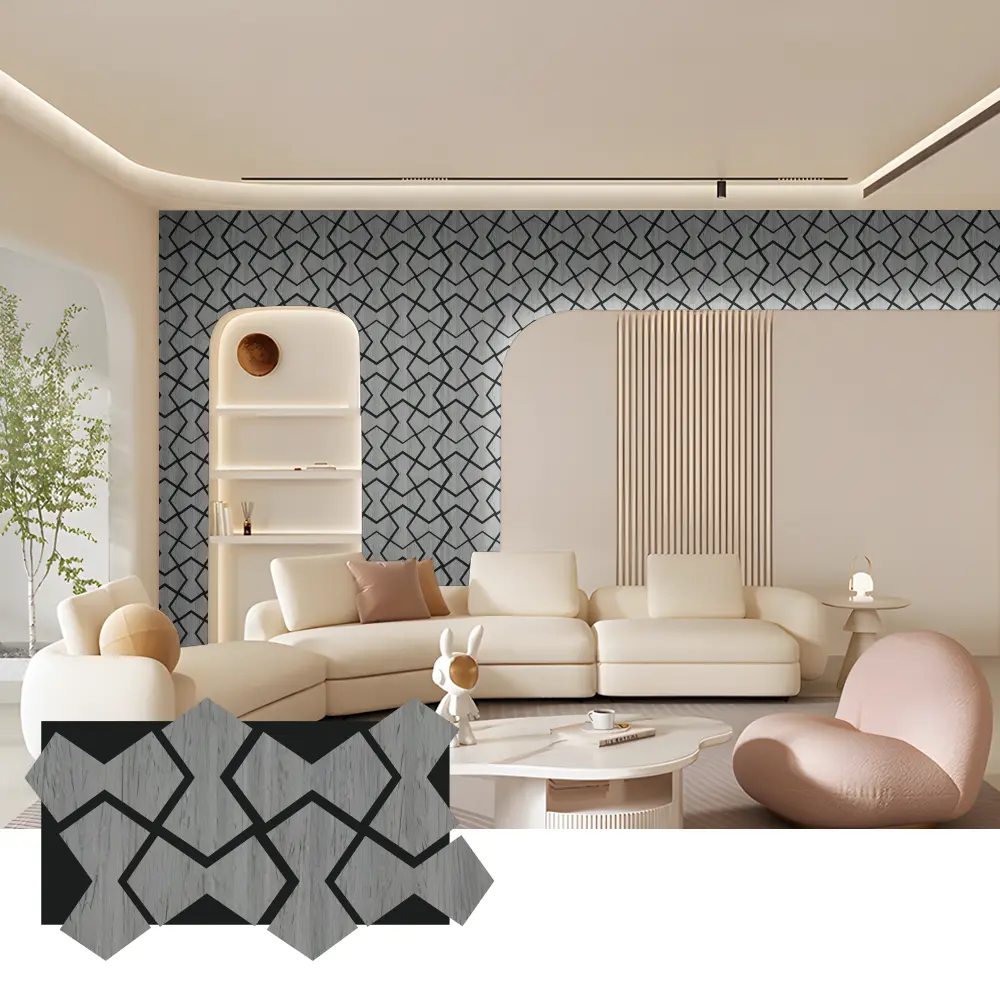
For projects requiring a more distinctive appearance, Wonear also supports customized surface treatments such as UV printing. This allows designers to explore different colors, patterns, graphics, and decorative textures rather than being limited to a single wood appearance.

How Acoustic Wood Veneer Panels Improve Interior Comfort

Reducing Reflected Sound

Hard surfaces such as concrete, glass, tile, and finished wood can reflect sound and contribute to reverberation. Excessive reflected sound can make conversations less clear and create a louder-feeling indoor environment.

The fiber-based acoustic structure of the panel helps absorb part of the reflected sound energy, making it useful as one component of a broader interior acoustic treatment strategy.

Supporting Speech Clarity

In meeting rooms, offices, classrooms, restaurants, and reception areas, speech clarity is often more important than simply reducing overall sound levels. Appropriate acoustic treatment can help reduce unwanted reflections and improve the perceived clarity of conversations.

Panel quantity, placement, thickness, ceiling treatment, furniture, and room geometry should be considered together when designing an acoustic solution.

Balancing Acoustic and Decorative Requirements

A major advantage of decorative acoustic panels is that sound treatment does not have to appear purely technical. The wood veneer surface allows the acoustic element to become part of the interior design rather than an isolated functional component.

Application Scenarios

Office and Meeting Rooms

Open offices and meeting rooms often contain multiple hard surfaces that can increase sound reflection. Acoustic wood veneer panels can be installed on selected walls or other suitable surfaces to improve the acoustic environment while maintaining a professional interior appearance.

They are particularly suitable for reception areas, conference rooms, executive offices, collaborative spaces, and other areas where speech and visual presentation are important.

Hotels and Hospitality Spaces

Hotels need interior materials that contribute to both guest comfort and visual quality. Wood finishes can create a warm hospitality atmosphere, while acoustic treatment can help control reverberation in lobbies, lounges, restaurants, meeting areas, and other shared spaces.

Restaurants and Cafés

Restaurants often combine hard flooring, tables, glass, lighting fixtures, and other reflective surfaces. Without sufficient acoustic treatment, conversations between customers can become difficult in busy periods.

Wood veneer acoustic panels can be integrated into feature walls, selected wall sections, or other design elements to combine sound absorption with a natural decorative finish.

Home Theaters and Entertainment Rooms

Home theaters, media rooms, music rooms, and entertainment spaces can benefit from controlled sound reflection. Thicker acoustic materials can be considered where greater sound absorption is required, while the wood finish can maintain a premium residential appearance.

Recording and Creative Spaces

Studios and creative environments require more careful acoustic planning. Acoustic wood veneer panels can be used as part of a larger acoustic treatment system, alongside other absorbers and diffusers selected according to the room's frequency response and intended use.

Design and Customization Options

Different Panel Thicknesses

Wonear offers several polyester fiber thickness options. The appropriate thickness should be selected according to the desired acoustic effect, installation position, available space, and project budget.

Using different thicknesses in one project can also provide designers with greater flexibility when creating layered acoustic wall compositions.

Wood Veneer Selection

Natural wood veneer provides a distinctive grain and color variation. Buyers can discuss the preferred wood appearance according to the project's furniture, flooring, wall colors, and overall design concept.

Customized Patterns and Colors

UV printing provides another design route for commercial and branded spaces. Customized graphics, colors, patterns, and visual elements can be incorporated into the surface design where required.

OEM and ODM Development

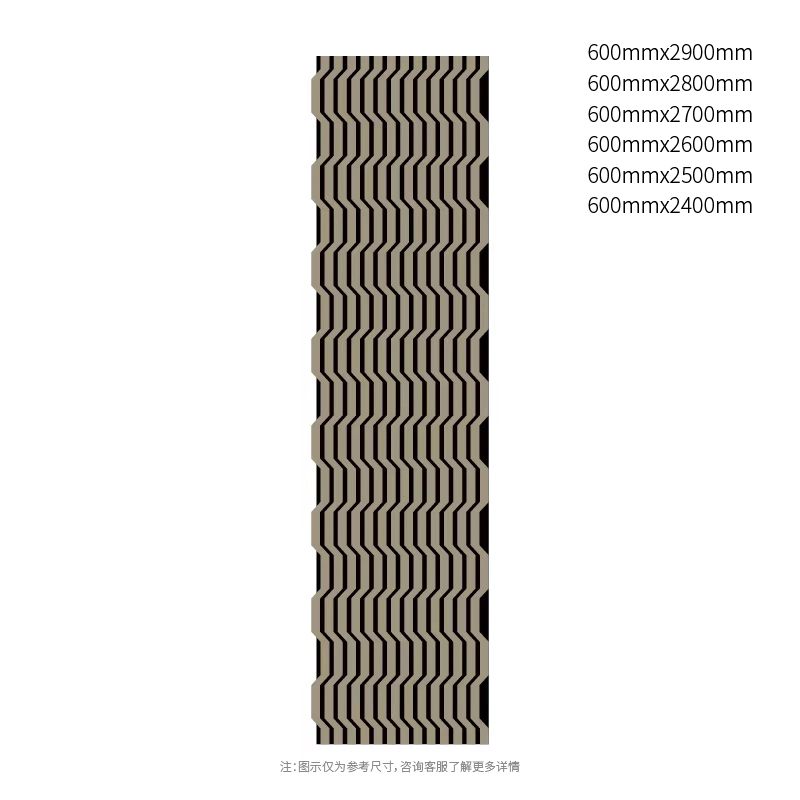
For distributors and architectural projects, Wonear supports customization of panel size, thickness, color, pattern, and surface texture. Customers can provide drawings, dimensions, reference images, color samples, or other design information for product development and confirmation.

Installation Considerations

Prepare the Substrate

The installation surface should be clean, dry, stable, and suitable for the selected fixing method. Uneven or unstable substrates may affect panel alignment and the final appearance.

Plan Panel Layout

Panel direction, joints, wood grain, spacing, and wall dimensions should be reviewed before installation. Proper layout planning is especially important when multiple panels are installed across a large feature wall.

Choose the Appropriate Fixing Method

Depending on the substrate and panel structure, adhesive, nails, or other fixing methods may be considered. The selected installation method should be compatible with the panel weight and the wall or ceiling substrate.

Quality Factors for B2B Buyers

Surface Consistency

For large commercial projects, consistency between panels is important. Buyers should confirm acceptable standards for color, veneer appearance, texture, dimensions, and surface defects before mass production.

Dimensional Accuracy

Accurate cutting and consistent dimensions help installers create cleaner joints and reduce adjustment work on site. This becomes increasingly important when panels form a repeated geometric pattern.

Acoustic Test Information

If a project has specific acoustic targets, buyers should request relevant test reports and confirm the test conditions. Acoustic performance cannot be determined from panel thickness alone because installation and room conditions also influence actual results.

Environmental and Fire Requirements

For commercial, hospitality, education, and public projects, the required environmental and fire performance may vary by building type and destination market. Wonear states that its acoustic products have undergone relevant fire resistance and formaldehyde testing and that product documentation includes CE, FSC, and SGS-related certifications or inspection certificates.

Project buyers should verify the specific certificate and test report applicable to the selected product before placing an order.

Manufacturing and Quality Control

Material Preparation

Production begins with preparation of the acoustic core and decorative surface materials. Material consistency is important because differences in thickness, density, surface appearance, or dimensions can affect the final batch.

Precision Processing

Depending on the selected design, acoustic panel components may require cutting, grooving, shaping, printing, or other processing. Controlled production equipment helps maintain repeatability when producing larger quantities.

Assembly and Inspection

During assembly, manufacturers need to check panel alignment, surface condition, dimensional accuracy, bonding, and overall appearance. For customized projects, an approved sample can serve as an important reference for mass production.

Packaging for International Shipment

Acoustic panels require protective packaging during warehouse handling and international transportation. Packaging should protect decorative surfaces, corners, and panel edges from contamination and physical damage.

Manufacturing Capability of Wonear

Dedicated Acoustic Panel Production

Wonear launched its own acoustic panel factory in 2025 and has expanded its product range to include acoustic panels, polyester acoustic panels, wood veneer PET acoustic panels, and other sound-absorbing materials.

The company reports approximately 6,000 square meters of standardized workshops, 20 production lines, and an annual production capacity of approximately 8 million square meters.

Support for Customized Projects

Wonear works with distributors, contractors, interior designers, architects, and project buyers that require customized acoustic materials. Customers can provide drawings, dimensions, reference images, physical samples, or other specifications for evaluation.

Available manufacturing processes can include CNC cutting and carving, grooving, surface processing, wood slat assembly, customized dimensions, inspection, packaging, and bulk shipment preparation.

How to Select the Right Acoustic Wood Veneer Panel

Identify the Acoustic Objective

Determine whether the primary objective is reducing reverberation, improving speech clarity, controlling reflected sound, or creating a combination of acoustic and decorative functions.

This information helps determine panel thickness, coverage area, installation position, and whether additional acoustic products are required.

Evaluate the Room Environment

Room size, ceiling height, wall materials, flooring, furniture, glass surfaces, occupancy level, and intended use all influence acoustic conditions.

A panel should therefore be selected as part of the overall room design rather than treated as an isolated acoustic component.

Confirm Project Documentation

For commercial and international projects, buyers should confirm technical specifications, test reports, certificates, packaging requirements, installation instructions, minimum order quantity, production lead time, and delivery terms before final procurement.

Buyer Checklist

Item What Buyers Should Confirm
Panel Structure Acoustic core, surface material, and overall construction
Thickness 5 mm, 9 mm, 10 mm, 12 mm, or customized specification
Surface Natural wood veneer, UV printed surface, or customized finish
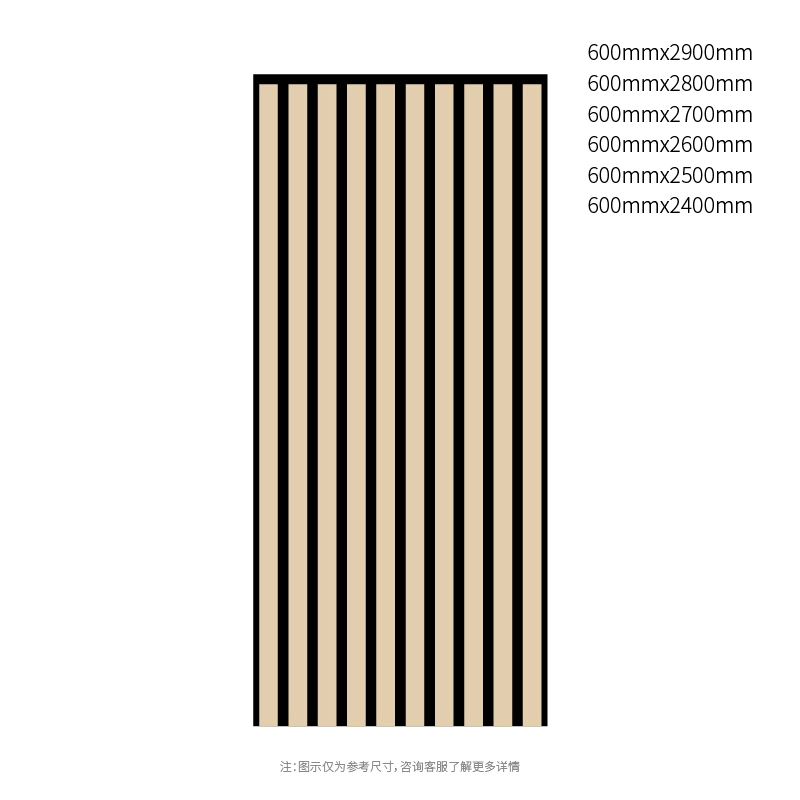
Dimensions Standard or project-specific panel size
Acoustic Requirement Required absorption performance and test conditions
Fire Performance Applicable fire classification and documentation
Environmental Requirements Formaldehyde, VOC, and destination-market requirements
Installation Adhesive, nails, or other fixing method
Customization Color, pattern, texture, dimensions, and surface treatment
Packaging Protection requirements for domestic or international transportation
Order Requirements MOQ, sample approval, lead time, and production capacity

Frequently Asked Questions

What are decorative acoustic wood veneer panels used for?

They are used for interior applications where sound absorption and decorative appearance are required together. Common applications include offices, meeting rooms, hotels, restaurants, home theaters, studios, and residential interiors.

What material is used as the acoustic core?

Wonear uses a high-density polyester fiber acoustic core. Available thicknesses include 5 mm, 9 mm, 10 mm, and 12 mm.

Can the panel surface be customized?

Yes. Wonear supports natural wood veneer and customized surface treatments, including UV printed finishes. Buyers can discuss colors, patterns, textures, dimensions, and other design requirements.

Are thicker panels always better for acoustic performance?

Not necessarily. Acoustic performance depends on thickness, material structure, installation method, coverage, frequency range, and room conditions. Thicker panels can provide greater material depth, but the complete acoustic design should determine the final specification.

Can these panels be used in commercial projects?

Yes. They can be considered for offices, hotels, restaurants, meeting rooms, reception areas, showrooms, studios, and other commercial interiors. Project-specific fire, environmental, and acoustic requirements should be confirmed before procurement.

Does Wonear support OEM and ODM orders?

Yes. Wonear supports customized panel sizes, thicknesses, colors, patterns, surface textures, and other project-specific requirements. Sample development can also be discussed before bulk production.

Final Considerations

Decorative Acoustic Wood Veneer Panels provide a practical way to combine acoustic treatment with a natural architectural finish. The polyester fiber acoustic core helps absorb reflected sound, while the wood veneer surface introduces a warm and contemporary visual element into interior spaces.

For architects, contractors, distributors, and project buyers, the right selection should consider room acoustics, panel thickness, coverage, installation method, surface appearance, fire and environmental requirements, customization, and project documentation.

With its acoustic panel manufacturing capabilities and OEM/ODM support, Wonear can provide customized solutions for residential, commercial, hospitality, educational, and other interior projects. Buyers can define the required panel structure, dimensions, surface finish, acoustic objectives, packaging, and delivery requirements before production to achieve a more predictable result.

Related News
Leave me a message
X
We use cookies to offer you a better browsing experience, analyze site traffic and personalize content. By using this site, you agree to our use of cookies.Privacy Policy