News

Advantages of Wooden Sound-Absorbing Panels

2026-05-14 0 Leave me a message

Superior Sound Absorption and Noise Reduction

Featuring a porous wooden structure, these wood acoustic panels effectively absorbs mid-to-high frequency noise, significantly reducing echoes and reverberation. It delivers a distinct soundproofing and quieting effect, making it ideal for conference rooms, cinemas, classrooms, and offices.

Aesthetically Pleasing and Highly Decorative

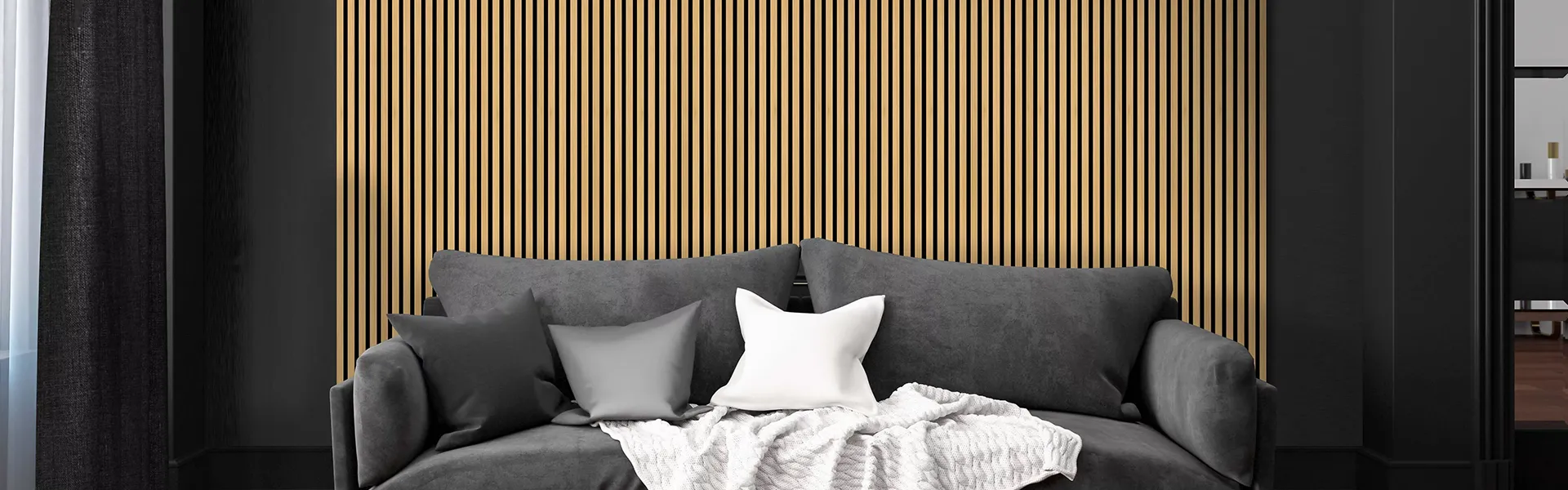
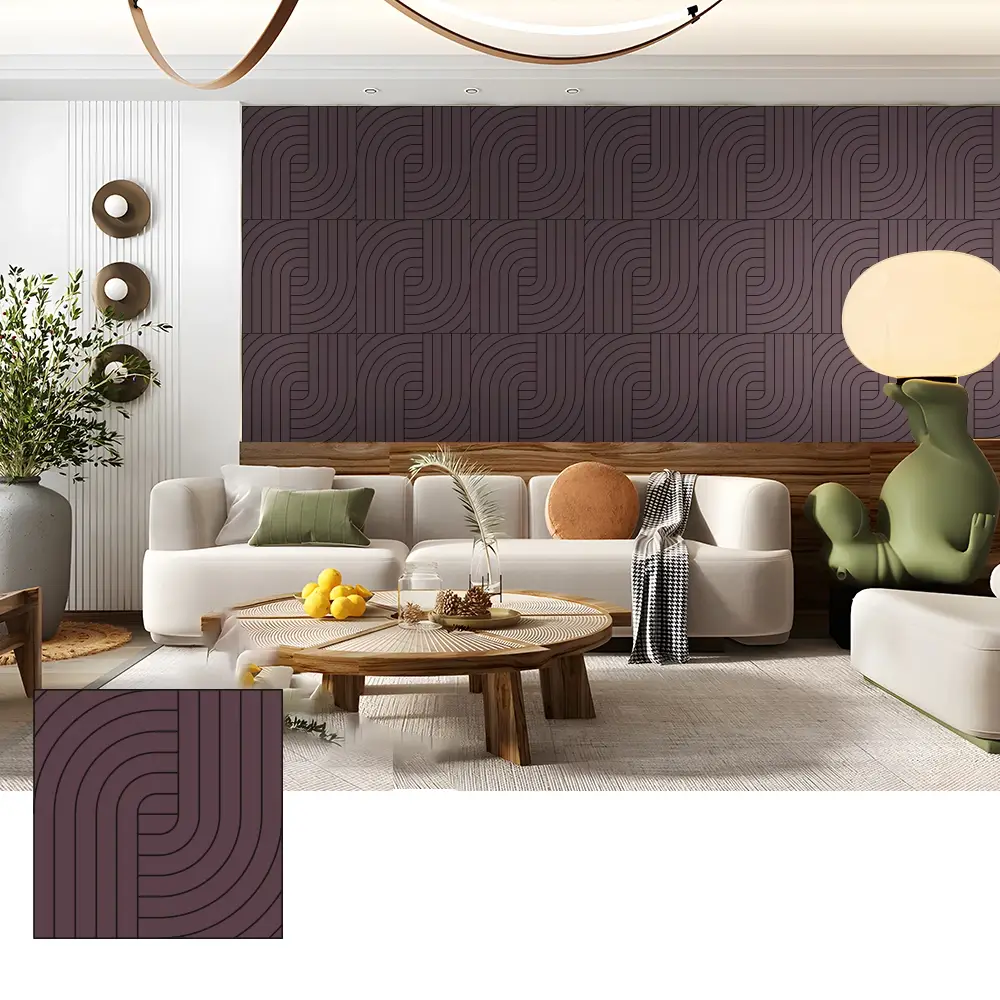
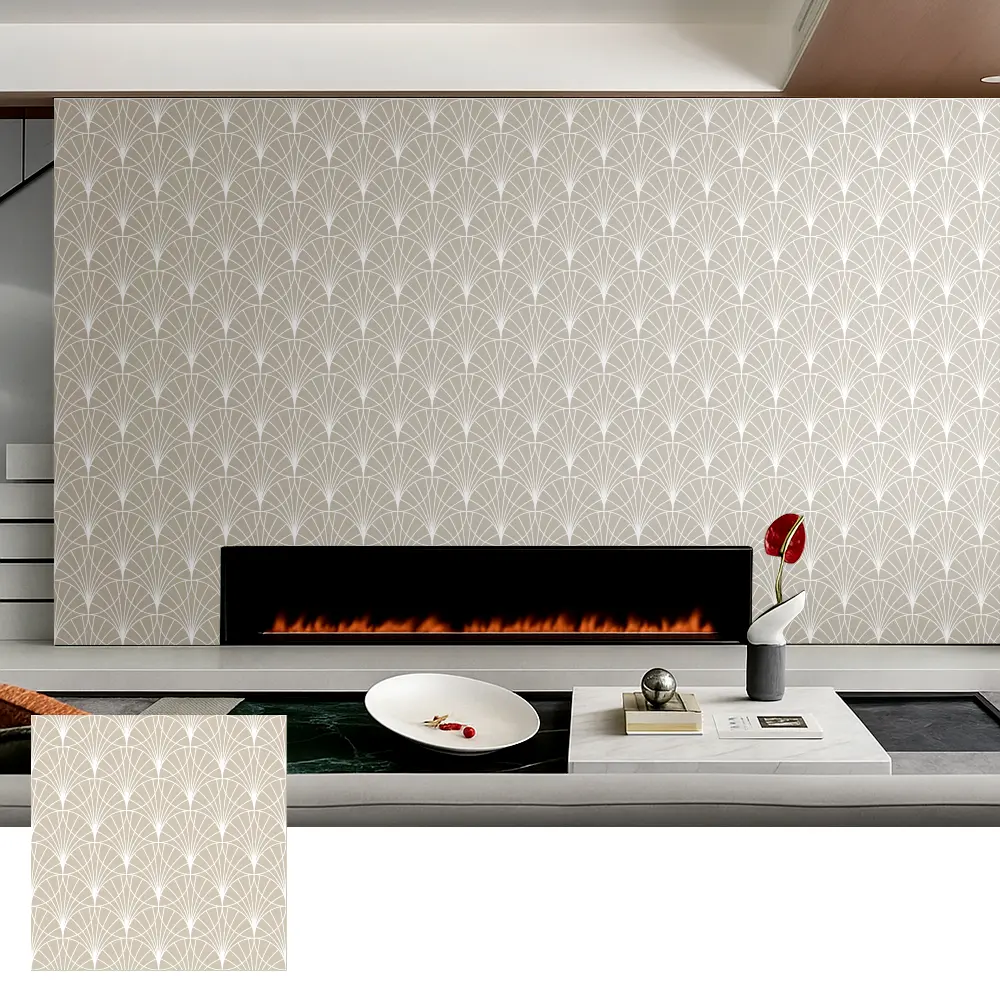
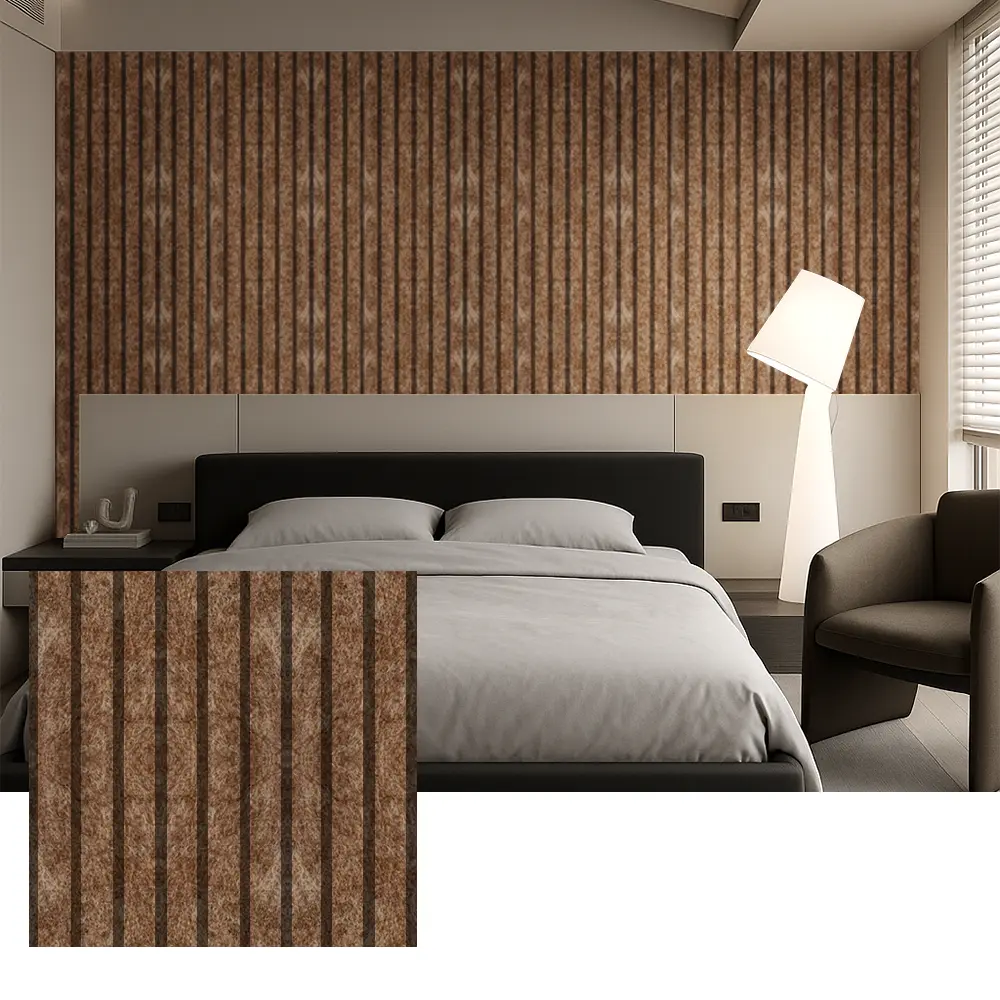
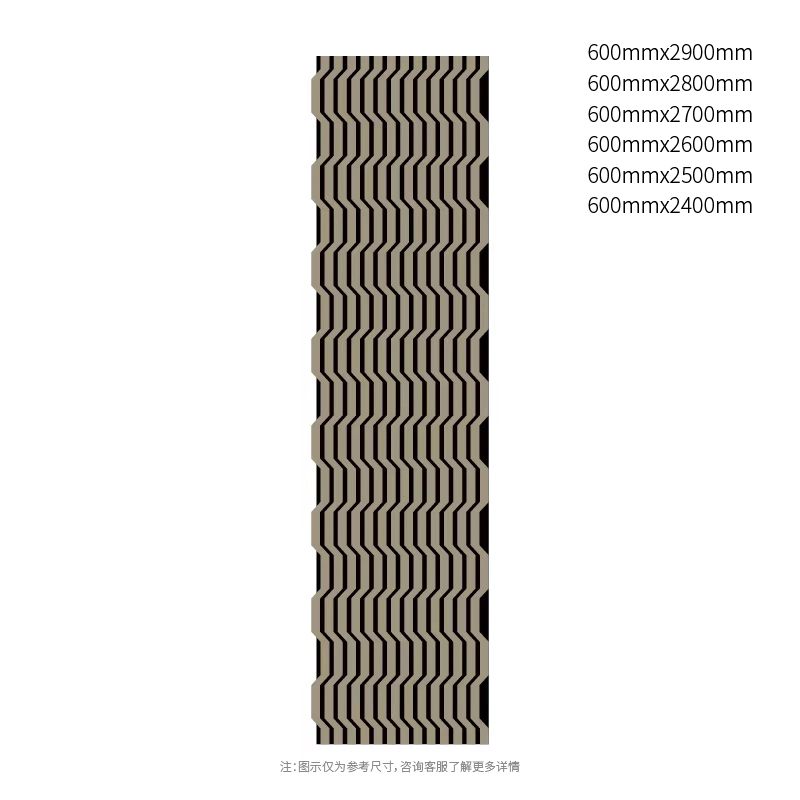
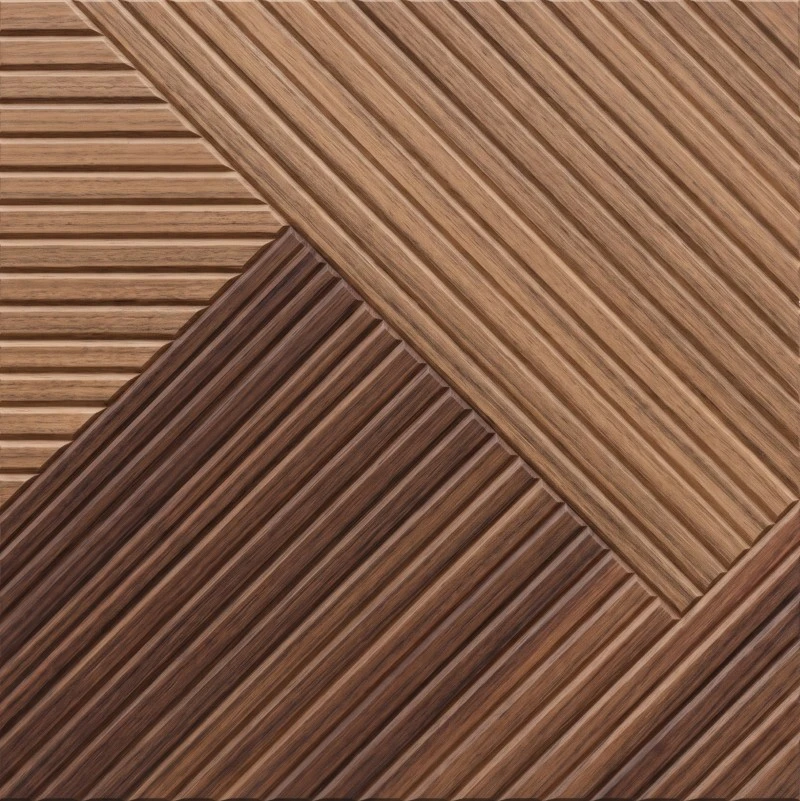
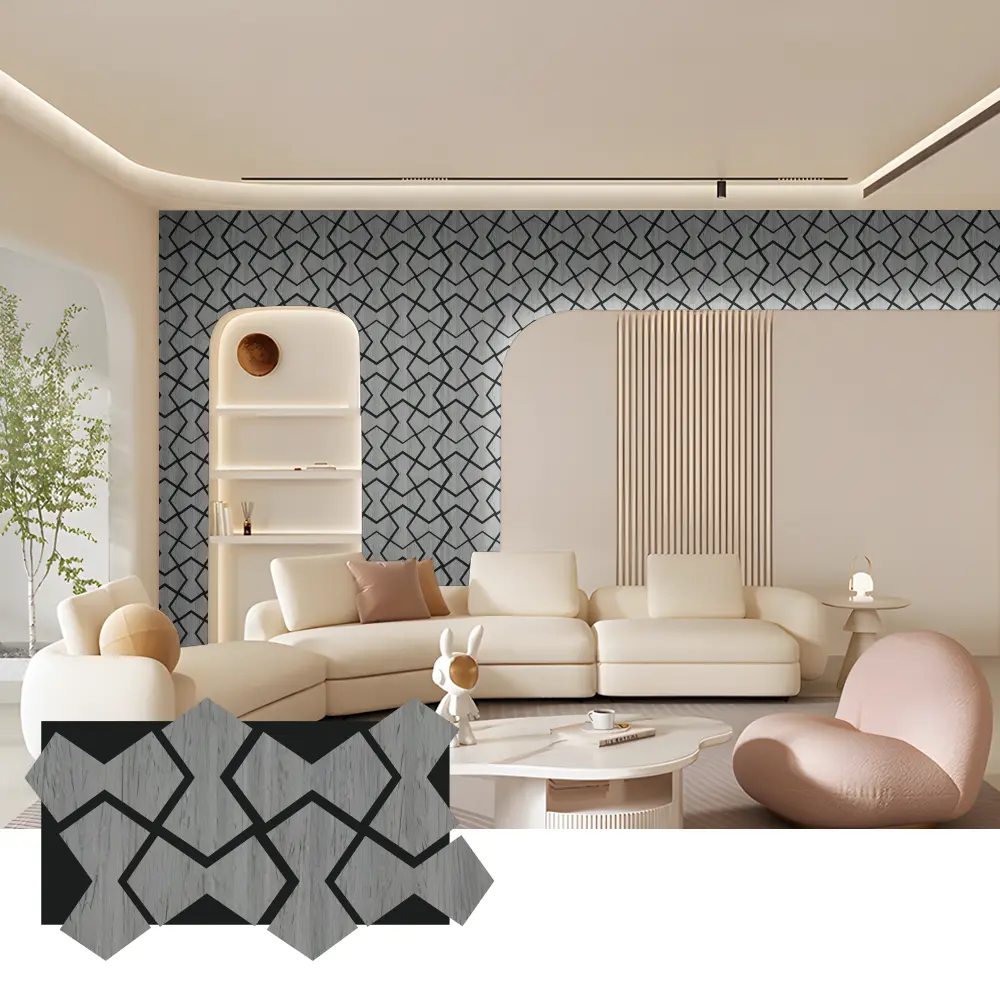
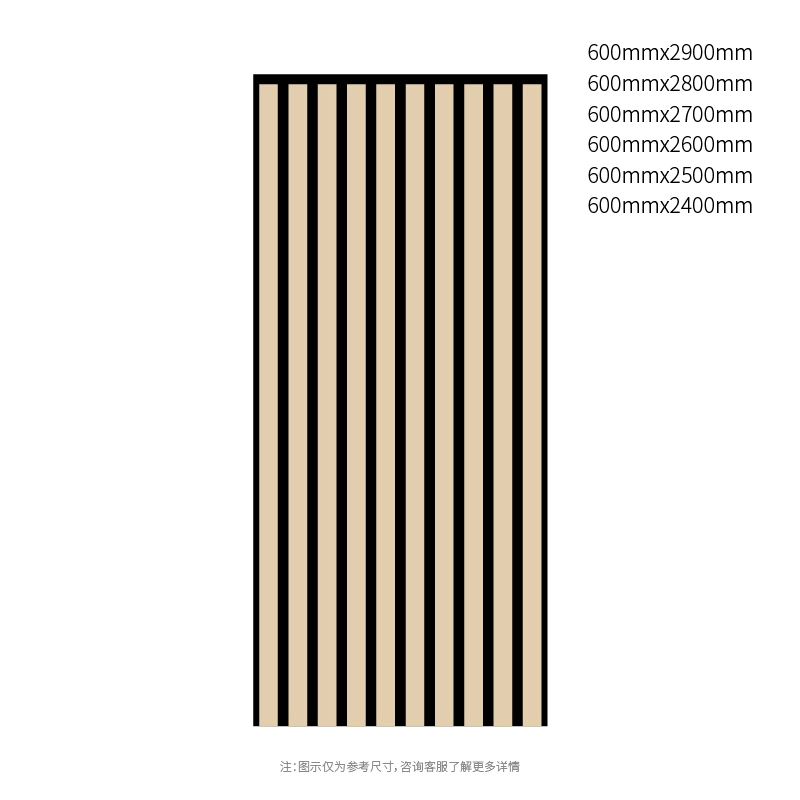
Boasting natural wood grain textures and a wide selection of styles and colors, it can be used for complete wall paneling or creative ceiling designs. It seamlessly combines sound absorption with interior decoration—eliminating the need for additional wall finishes—and offers a minimalist, premium aesthetic that complements a wide variety of interior design styles.

Eco-Friendly and Healthy

Primarily constructed from solid wood substrates combined with eco-friendly, flame-retardant finishes, it features low formaldehyde emissions and is free of unpleasant odors. Meeting all safety standards, it provides peace of mind for use in enclosed indoor spaces.

Fire-Resistant, Moisture-Proof, and Durable

Treated with flame-retardant, moisture-proof, and anti-corrosion processes, it resists deformation, cracking, and mold growth. Highly resistant to abrasion and impact, it offers a long service life, making it suitable for humid environments or high-traffic areas.

Convenient Installation and Simple Construction

Supplied as modular, finished panels, it utilizes snap-lock or keel-based installation systems. This ensures rapid construction and short project timelines, while also facilitating easy disassembly and maintenance in the future, allowing for flexible design modifications.

Optimizes Indoor Acoustics

It optimizes the acoustic field and eliminates unwanted noise and resonance, ensuring that speech and audio playback sound clearer and richer. An essential addition for KTV rooms, home theaters, and lecture halls.

Thermal Insulation

Wood naturally possesses thermal insulation properties, effectively reducing heat transfer between the interior and exterior environments. This indirectly contributes to energy savings by reducing the power consumption of air conditioning systems.


Related News
Leave me a message
X
We use cookies to offer you a better browsing experience, analyze site traffic and personalize content. By using this site, you agree to our use of cookies.Privacy Policy