News

How Does a Wave Rhythm Wood Slat Acoustic Wall Panel Improve Modern Interior Spaces?

2026-11-04 0 Leave me a message

Modern interior design requires more than attractive wall finishes. Acoustic comfort, visual appeal, material durability, and installation efficiency are equally important when creating functional indoor environments. A Wave Rhythm Wood Slat Acoustic Wall Panel combines the natural appearance of wood with a carefully designed slatted structure to help improve room acoustics while adding depth and rhythm to interior spaces. This guide explores how these panels work, their main advantages, suitable applications, material considerations, installation methods, and purchasing factors to help architects, contractors, distributors, and property owners make informed decisions.

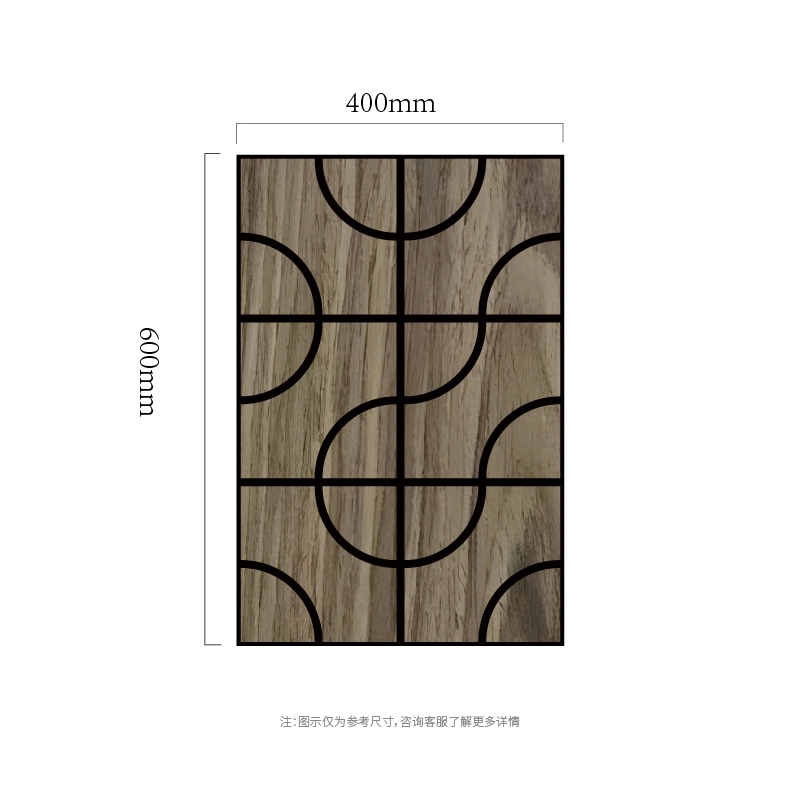
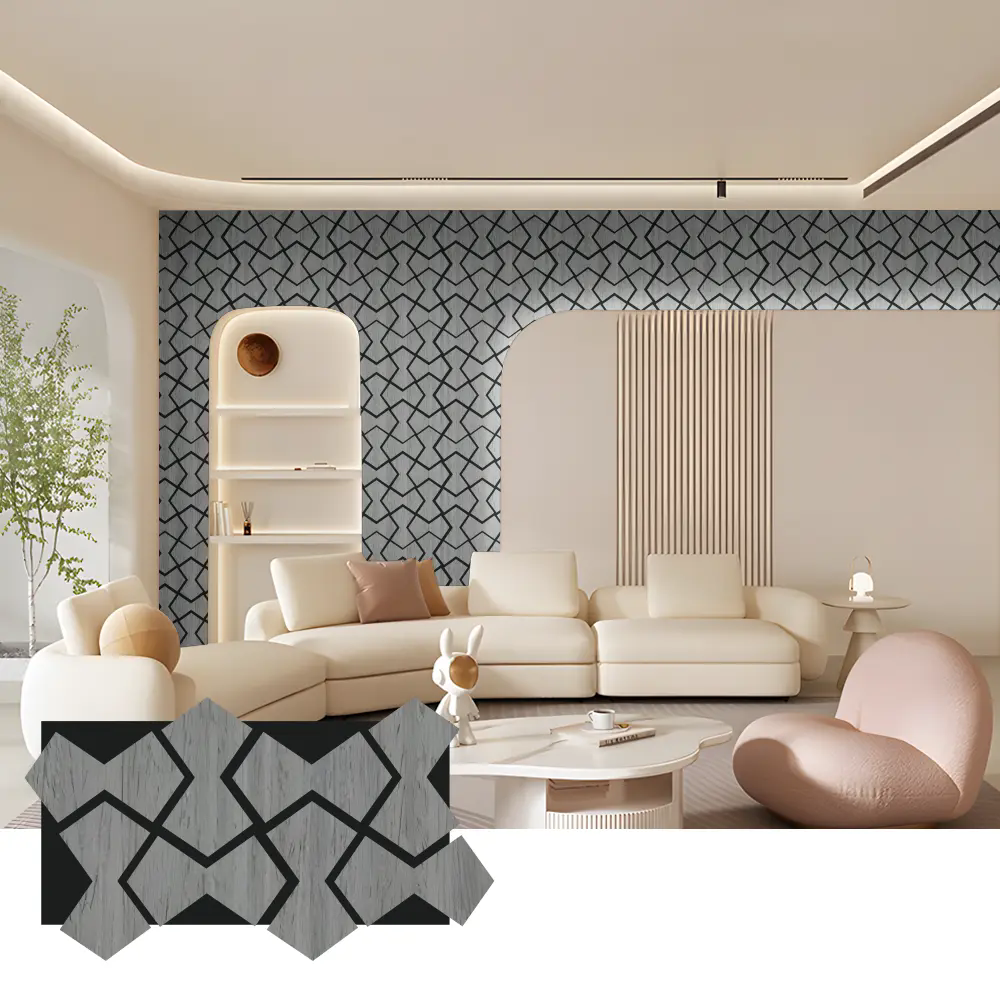
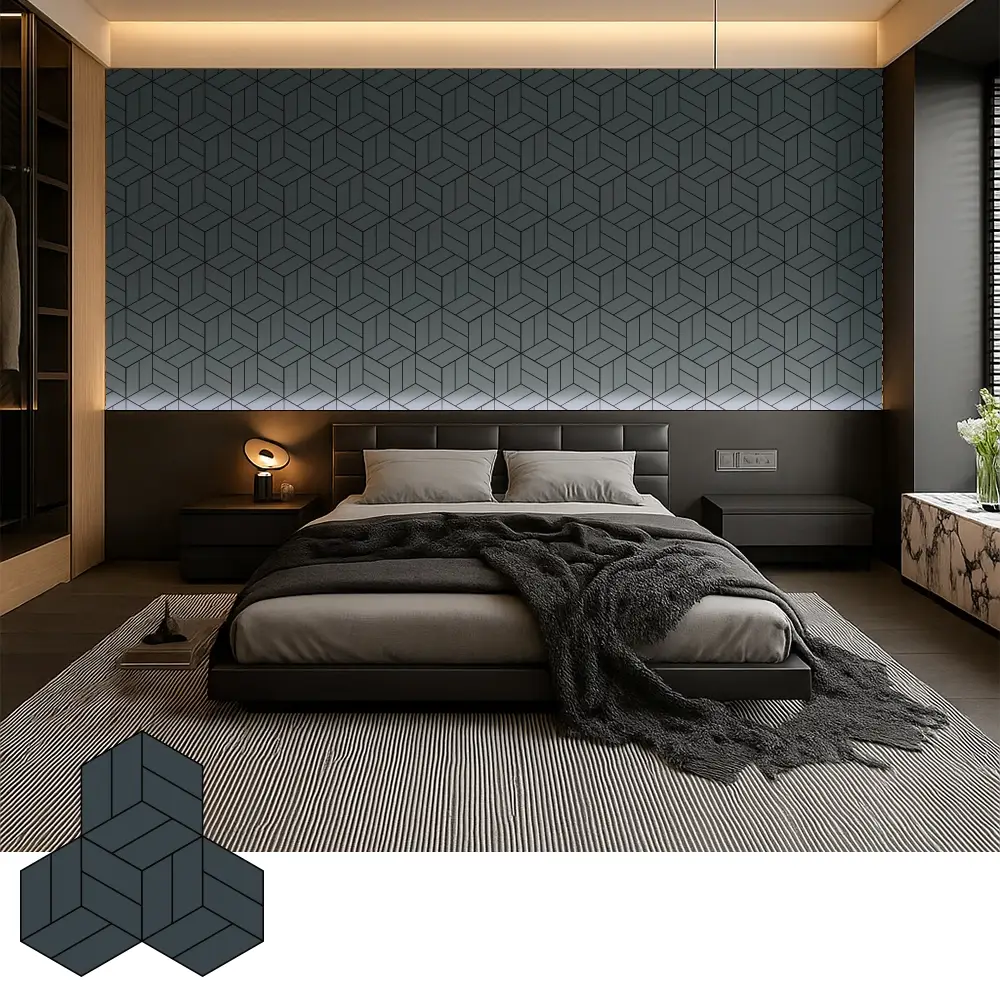
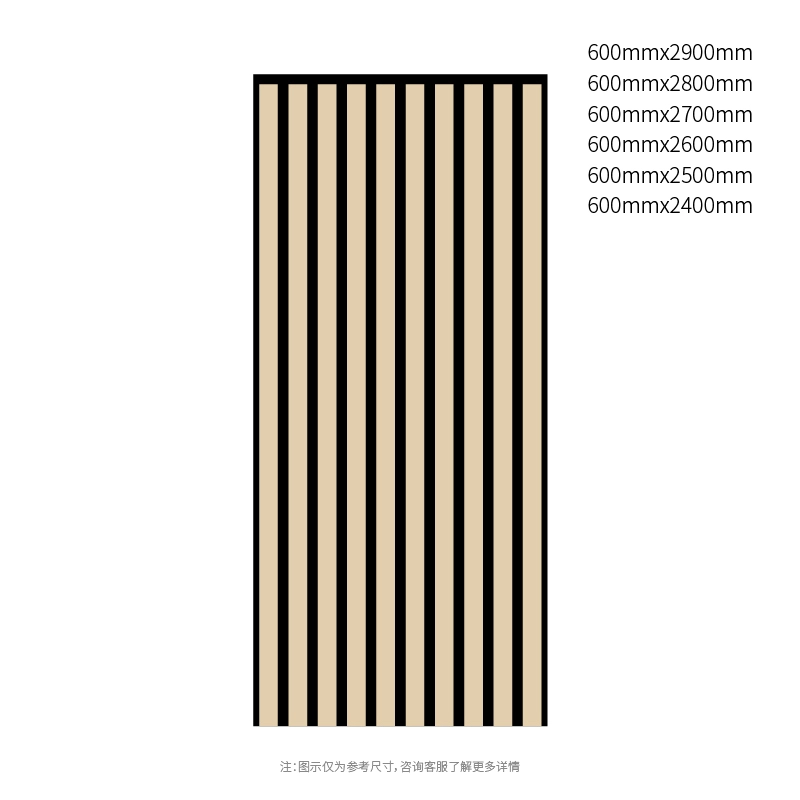
Wave Rhythm Wood Slat Acoustic Wall Panel


Contents

1. Introduction to Wave Rhythm Wood Slat Acoustic Wall Panels

Noise problems are common in contemporary buildings. Open-plan offices, conference rooms, restaurants, hotels, and residential interiors often contain hard surfaces that reflect sound. When sound waves repeatedly bounce between walls, floors, and ceilings, excessive reverberation can make conversations uncomfortable and reduce speech clarity.

Traditional decorative wall coverings can improve the appearance of a room, but they do not necessarily address acoustic problems. This is where a Wave Rhythm Wood Slat Acoustic Wall Panel becomes a practical interior finishing option.

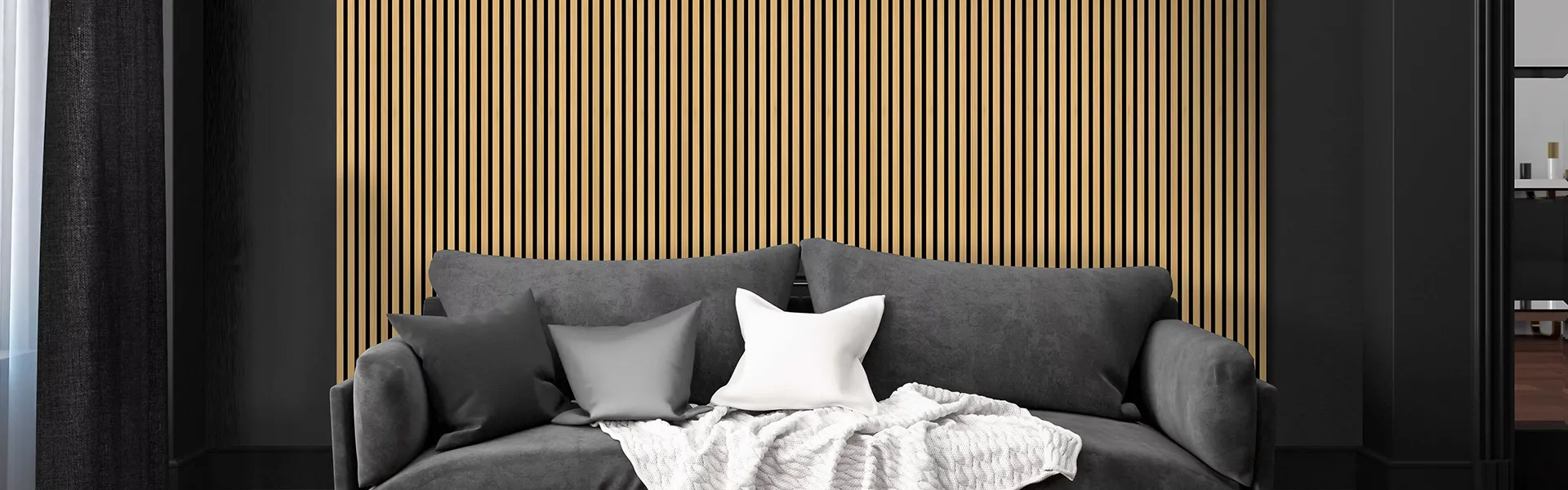
Unlike conventional flat wall panels, this product features a distinctive wave-inspired slatted surface. Its alternating profiles create visual movement, natural shadows, and a layered appearance. When combined with an appropriate acoustic backing, the panel can help absorb sound energy and reduce unwanted reflections.

It provides two complementary functions:

  • Acoustic performance: Helps control reverberation and improve the overall sound environment when properly designed and installed.
  • Decorative performance: Introduces natural textures, dimensional patterns, and architectural character to otherwise plain walls.

For designers and construction professionals, combining these functions can simplify material selection while creating a more coordinated interior design.

2. How Does the Wave Rhythm Structure Work?

The performance and appearance of a wave rhythm wood slat panel depend on its surface geometry and internal construction. Rather than presenting a completely flat surface, the slats are arranged to create a repeating pattern of raised and recessed sections.

2.1 The Wave-Inspired Surface Design

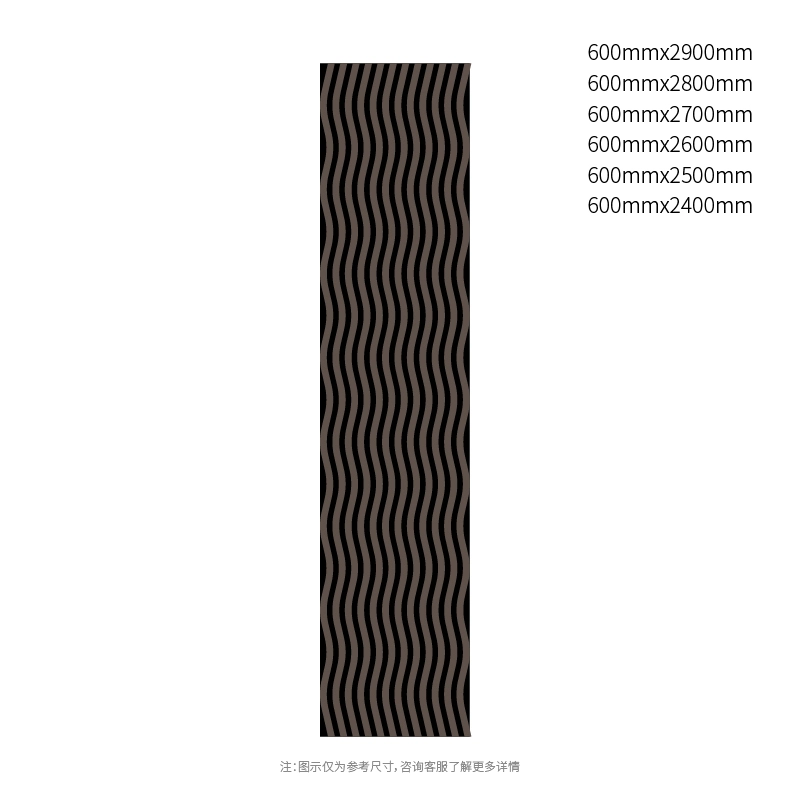
The wave pattern introduces a sense of movement and depth. Depending on the slat width, spacing, profile, and finish, the surface can create subtle or more pronounced visual effects.

This design can be especially useful in modern interiors where large wall areas need decorative detail without relying on complicated architectural structures.

2.2 The Acoustic Backing Layer

Many wood slat acoustic systems incorporate an acoustic backing material, such as polyester fiber or another sound-absorbing substrate. The gaps between the slats allow sound waves to reach the backing layer, where part of their acoustic energy can be converted into small amounts of heat through material friction.

The actual sound absorption performance depends on several factors:

  • Backing material type and thickness.
  • Slat width and spacing.
  • Panel depth and installation configuration.
  • Wall cavity and air gap conditions.
  • Sound frequency and room characteristics.
Important consideration: Decorative wave profiles alone do not guarantee sound absorption. Buyers should evaluate the complete panel construction and request laboratory acoustic test reports when verified performance is important.

2.3 Balancing Appearance and Function

A well-designed acoustic wall system should balance decorative proportions with acoustic requirements. The wave rhythm should complement the surrounding furniture, lighting, flooring, and architectural elements without overwhelming the space.

3. Key Benefits of Wave Rhythm Acoustic Panels

For commercial and residential projects, the value of these panels comes from the combination of visual design, sound management, and practical installation.

01. Improved Acoustic Comfort

With a suitable sound-absorbing backing, the panels can reduce reflected sound and excessive reverberation, helping create more comfortable indoor environments.

02. Distinctive Interior Appearance

The repeating wave pattern creates depth, texture, and natural shadow effects, making feature walls more visually interesting.

03. Natural Wood Aesthetics

Wood-look finishes and natural wood textures can introduce warmth and balance into contemporary architectural spaces.

04. Flexible Design Applications

Panels can be incorporated into different interior concepts, including minimalist, Scandinavian, modern, and hospitality-inspired designs.

05. More Coordinated Wall Finishes

Combining decorative surfaces and acoustic components in one system can reduce the need for separate decorative wall treatments.

06. Potentially Efficient Installation

Pre-manufactured panel systems can simplify installation planning and help contractors achieve consistent decorative results.

However, project buyers should remember that acoustic wall panels are not complete soundproofing systems. They primarily help manage sound reflections within a room. Preventing noise transmission between rooms requires additional measures, such as suitable wall assemblies, insulation, and sealing systems.

4. Materials and Construction Details

Material selection influences the panel's appearance, durability, weight, maintenance requirements, and acoustic characteristics. Understanding the main components helps buyers evaluate different products more accurately.

4.1 Slat Surface Materials

Depending on the manufacturer's specifications, decorative slats may use engineered wood products, MDF-based substrates, natural wood, or other suitable materials with decorative surface treatments.

Each option has different characteristics:

  • MDF-based slats: Offer consistent dimensions and a smooth surface for decorative finishes.
  • Natural wood: Provides authentic grain patterns and natural variations in color and texture.
  • Engineered wood: Can offer controlled dimensions and a range of surface treatments for interior applications.

4.2 Acoustic Backing Materials

Polyester fiber acoustic felt is commonly used in decorative slat panel systems because it can provide a lightweight backing with sound-absorbing properties. Other acoustic substrates may also be used depending on the product design.

4.3 Surface Finishes

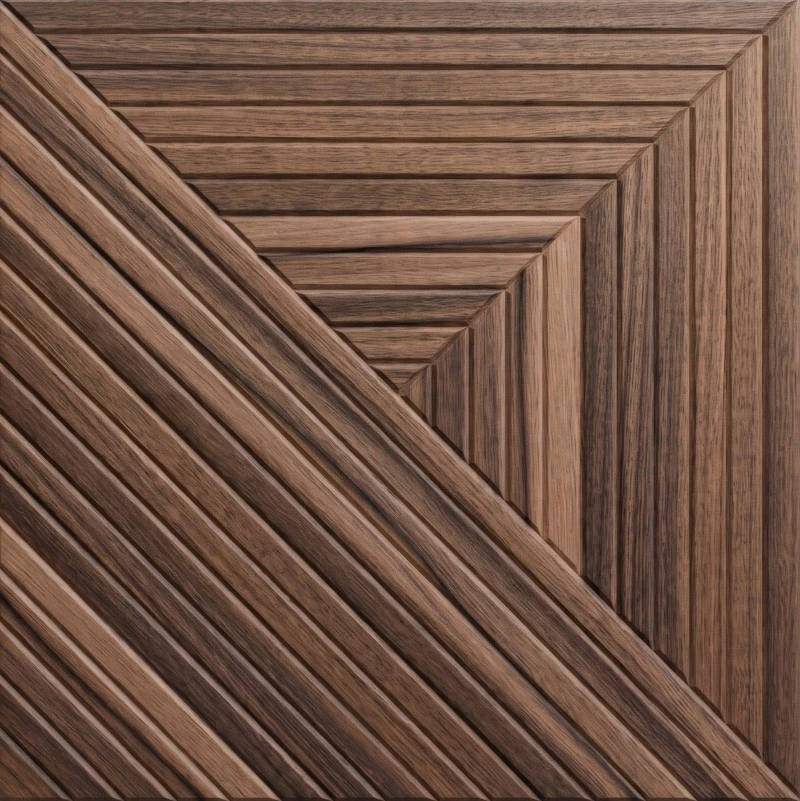
Surface finishes determine how the panels interact with the surrounding interior. Common design options include natural oak tones, walnut-inspired finishes, dark wood effects, and contemporary neutral colors.

Component Main Function Selection Consideration
Decorative slats Provide the visible wave rhythm pattern Material quality, dimensions, and finish
Acoustic backing Helps absorb sound energy Thickness, density, and tested performance
Surface coating Enhances appearance and surface protection Color consistency and cleaning requirements
Mounting components Secure the panel to the installation surface Compatibility, stability, and installation method

For large-scale projects, buyers should request detailed specifications covering the complete panel assembly rather than evaluating the decorative surface alone.

5. Where Can These Panels Be Used?

The combination of decorative texture and acoustic functionality makes wave rhythm wood slat panels suitable for a variety of indoor environments. Their suitability should still be assessed according to the building's fire, moisture, and acoustic requirements.

5.1 Residential Interiors

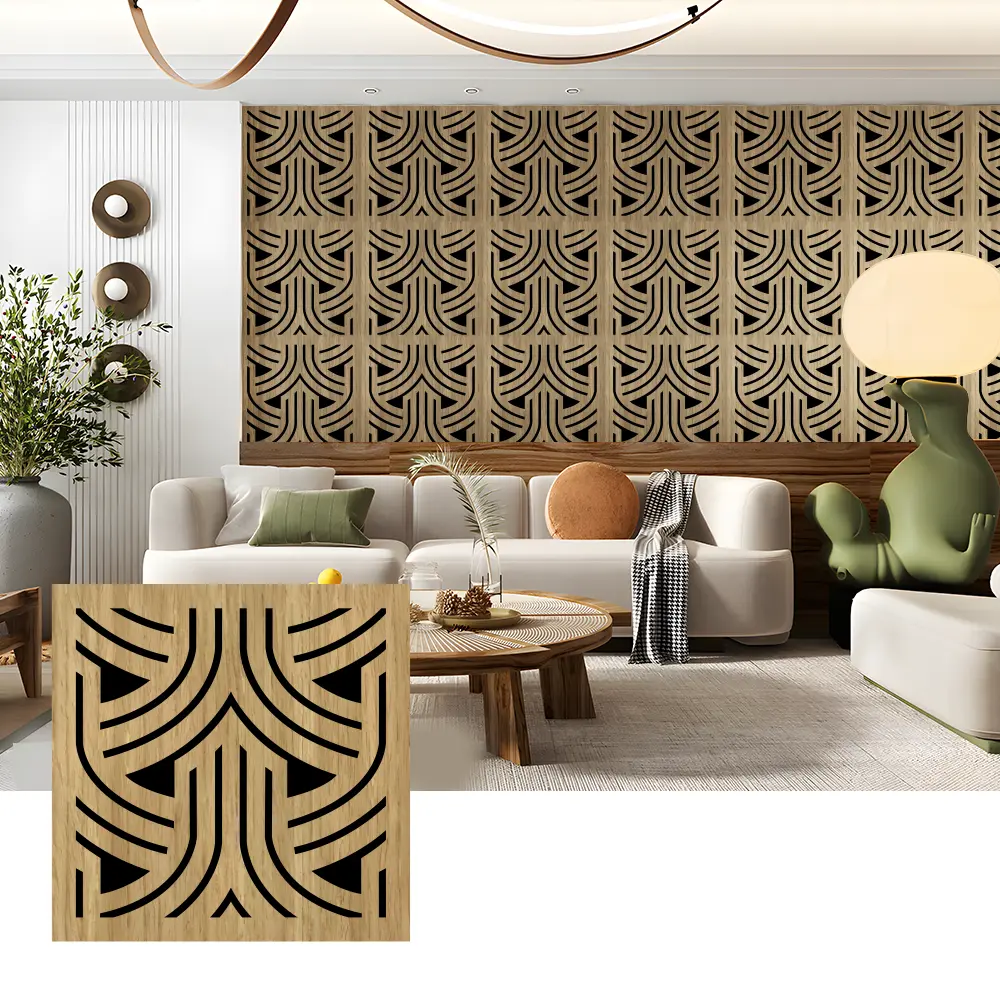
In homes and apartments, these panels can be installed as feature walls in living rooms, bedrooms, home offices, and entertainment spaces. A wood-inspired finish can make an interior feel warmer, while the acoustic backing may help reduce room reflections.

5.2 Offices and Meeting Rooms

Open offices frequently experience conversations, telephone calls, and equipment noise. Decorative acoustic panels can be incorporated into meeting room walls, reception areas, and collaborative spaces to help improve speech comfort.

5.3 Hotels and Hospitality Spaces

Hotels, restaurants, and lounges often need interior materials that combine visual quality with practical performance. Wave rhythm panels can serve as decorative backgrounds for reception counters, restaurant seating areas, and guest lounges.

5.4 Educational and Public Spaces

Libraries, training rooms, and selected educational interiors may benefit from acoustic treatments that help reduce reverberation. Product selection should consider the specific requirements for fire safety, durability, cleaning, and public building use.

5.5 Commercial and Retail Environments

Retail stores, showrooms, and exhibition spaces can use wave-pattern panels to create branded interior features while improving the acoustic atmosphere of the space.

Design suggestion: Instead of covering every wall, consider using wave rhythm panels on selected feature walls or combining them with other acoustic treatments. A balanced design can deliver both visual impact and practical acoustic benefits.

6. How Do They Compare with Traditional Wall Finishes?

Not every decorative wall material serves the same purpose. Understanding the differences between common options can help project planners choose an appropriate solution.

Wall Finish Decorative Effect Acoustic Function Typical Application
Wave rhythm wood slat acoustic panels Dimensional, textured, and rhythmic Can absorb sound with suitable backing Feature walls, offices, hotels
Flat decorative wall panels Smooth and consistent Generally limited unless specially designed Residential and commercial walls
Traditional wood wall cladding Natural and warm Usually limited without acoustic construction Interior decoration
Fabric-wrapped acoustic panels Soft and relatively simple Designed for sound absorption Studios, offices, meeting rooms
Decorative wall paint Wide color flexibility Minimal sound absorption General interior finishes

Wave rhythm wood slat acoustic panels are particularly attractive when a project needs a combination of architectural detail and acoustic treatment. However, they should not automatically replace specialized acoustic systems in spaces with demanding sound-control requirements.

7. What Should Buyers Consider Before Purchasing?

Choosing an acoustic wall panel involves more than selecting a color or decorative pattern. For distributors, contractors, architects, and project procurement teams, several technical and commercial factors deserve attention.

7.1 Define the Project Requirements

Start by identifying the installation location, room dimensions, intended use, and acoustic objectives. A home feature wall may prioritize appearance, while a conference room may require measurable sound absorption performance.

7.2 Check Technical Specifications

Request product documentation that includes:

  • Panel dimensions and thickness.
  • Slat material and surface finish.
  • Backing material specifications.
  • Weight per panel or square meter.
  • Installation recommendations.
  • Available acoustic test reports.
  • Applicable fire performance documentation, where required.

7.3 Evaluate Product Consistency

For large projects, color and dimensional consistency are particularly important. Differences between production batches may create visible variations across connected wall sections.

7.4 Consider Customization Options

Architectural projects may require specific colors, dimensions, profiles, or panel configurations. Before placing an order, confirm which customization options are available and whether the manufacturer can meet the required production schedule.

7.5 Review Supplier Capabilities

A reliable supplier should provide clear product information, responsive communication, sample support, and consistent order coordination. For overseas buyers, export experience and packaging arrangements are also important considerations.

8. Installation and Maintenance Guidelines

Correct installation is essential for achieving a consistent visual finish and the intended acoustic performance.

8.1 Prepare the Wall Surface

Before installation, inspect the wall for uneven areas, moisture problems, loose materials, and other defects. The substrate should meet the product manufacturer's installation requirements.

8.2 Measure and Plan the Layout

Measure the installation area carefully and determine the starting position, panel direction, edge treatment, and alignment of adjacent panels. Planning ahead can reduce unnecessary cutting and material waste.

8.3 Select the Appropriate Fixing Method

Depending on the panel design and wall construction, installation may involve suitable adhesives, mechanical fasteners, or a supporting framework. Always follow the manufacturer's recommendations and ensure that the selected fixing system is compatible with the substrate and panel weight.

8.4 Maintain Alignment and Consistency

During installation, check panel spacing, wave pattern continuity, and vertical or horizontal alignment. Small inconsistencies can become noticeable across large decorative surfaces.

8.5 Routine Cleaning

Regular maintenance is generally straightforward:

  • Remove loose dust using a soft cloth or suitable vacuum attachment.
  • Use cleaning methods approved for the specific surface finish.
  • Avoid excessive moisture unless the manufacturer confirms water resistance.
  • Do not use abrasive tools or aggressive chemical cleaners without approval.
  • Inspect fixing points periodically in high-traffic environments.

For commercial installations, establishing a simple maintenance schedule can help preserve the appearance of the panels over time.

9. Common Purchasing and Installation Mistakes

Even a well-designed decorative acoustic panel may fail to meet project expectations if important details are overlooked. The following mistakes are worth avoiding.

Mistake 1: Assuming Decorative Panels Provide Complete Soundproofing

Sound absorption and sound insulation are different functions. Acoustic slat panels primarily help manage sound reflections within a room. They are not, by themselves, a complete solution for preventing sound transmission through walls.

Mistake 2: Choosing Products Based Only on Appearance

A visually attractive surface does not automatically indicate good acoustic performance. Review the backing construction and available test data before making technical decisions.

Mistake 3: Ignoring Fire and Building Requirements

Commercial and public projects may have specific fire performance and material compliance requirements. Buyers should verify that the selected product documentation meets applicable local regulations.

Mistake 4: Failing to Order Samples

Screen colors may differ from actual materials. Ordering samples allows buyers to inspect the finish, texture, dimensions, and color under real lighting conditions.

Mistake 5: Overlooking Installation Accessories

Fixing systems, edge details, and transition components should be considered during project planning. Confirm what is included in the order and what needs to be purchased separately.

10. Frequently Asked Questions

Q1: What is a Wave Rhythm Wood Slat Acoustic Wall Panel?

A Wave Rhythm Wood Slat Acoustic Wall Panel is a decorative wall system featuring a wave-inspired slatted surface and, in many designs, a sound-absorbing backing layer. It combines dimensional interior decoration with acoustic treatment.

Q2: Do wood slat acoustic panels really absorb sound?

Yes, properly constructed systems can absorb a portion of reflected sound, particularly when they incorporate suitable acoustic backing materials. Actual performance depends on the complete construction, installation method, and tested acoustic characteristics.

Q3: Are wave rhythm acoustic panels suitable for residential use?

Yes. They can be used in living rooms, bedrooms, home offices, and entertainment spaces. Buyers should select a suitable finish and installation configuration according to the room environment.

Q4: Can these panels be customized?

Customization possibilities depend on the manufacturer. Available options may include dimensions, surface finishes, colors, slat profiles, and panel configurations. Buyers should confirm minimum order quantities and production requirements in advance.

Q5: Are acoustic wall panels the same as soundproofing panels?

No. Acoustic absorption helps reduce sound reflections and reverberation within a room. Soundproofing aims to reduce sound transmission between different spaces and generally requires a more comprehensive building assembly.

Q6: How do I clean wood slat acoustic wall panels?

Most products can be maintained through regular dust removal using a soft cloth or vacuum attachment. Specific cleaning methods depend on the surface material and manufacturer's instructions.

Q7: What information should I request from an acoustic panel manufacturer?

Request material specifications, panel dimensions, backing details, surface finish options, installation instructions, available acoustic test reports, relevant compliance documents, and commercial information such as lead time and packaging.

Q8: Are these panels suitable for hotels and office projects?

They can be suitable for hotel reception areas, meeting rooms, office interiors, lounges, and other indoor commercial spaces. The final selection should account for acoustic objectives, fire requirements, durability, and maintenance needs.

11. Final Thoughts

A Wave Rhythm Wood Slat Acoustic Wall Panel offers an effective way to bring decorative character and acoustic functionality into modern interior spaces. Its distinctive wave-inspired profile adds depth and visual rhythm, while an appropriately designed acoustic backing can help manage unwanted sound reflections.

From residential feature walls to hotel interiors, office meeting rooms, and commercial environments, these panels provide architects, designers, contractors, and distributors with a versatile interior finishing option.

The key to a successful project is selecting the right material construction, verifying acoustic performance, understanding installation requirements, and working with a supplier capable of providing consistent product quality.

Looking for Reliable Wood Slat Acoustic Wall Panels?

Linyi Shipo Decoration Materials Co., Ltd. is a name to consider when sourcing decorative wall materials for interior projects. Whether you are an importer, distributor, contractor, or project buyer, selecting suitable materials and understanding product specifications are important steps toward achieving your design goals.

Have questions about product specifications, available finishes, customization possibilities, or bulk purchasing requirements? Contact us to discuss your project needs and explore suitable decorative acoustic wall panel solutions.

Related News
Leave me a message
X
We use cookies to offer you a better browsing experience, analyze site traffic and personalize content. By using this site, you agree to our use of cookies. Privacy Policy
RejectAccept